The Plan Is Just
a Starting Point
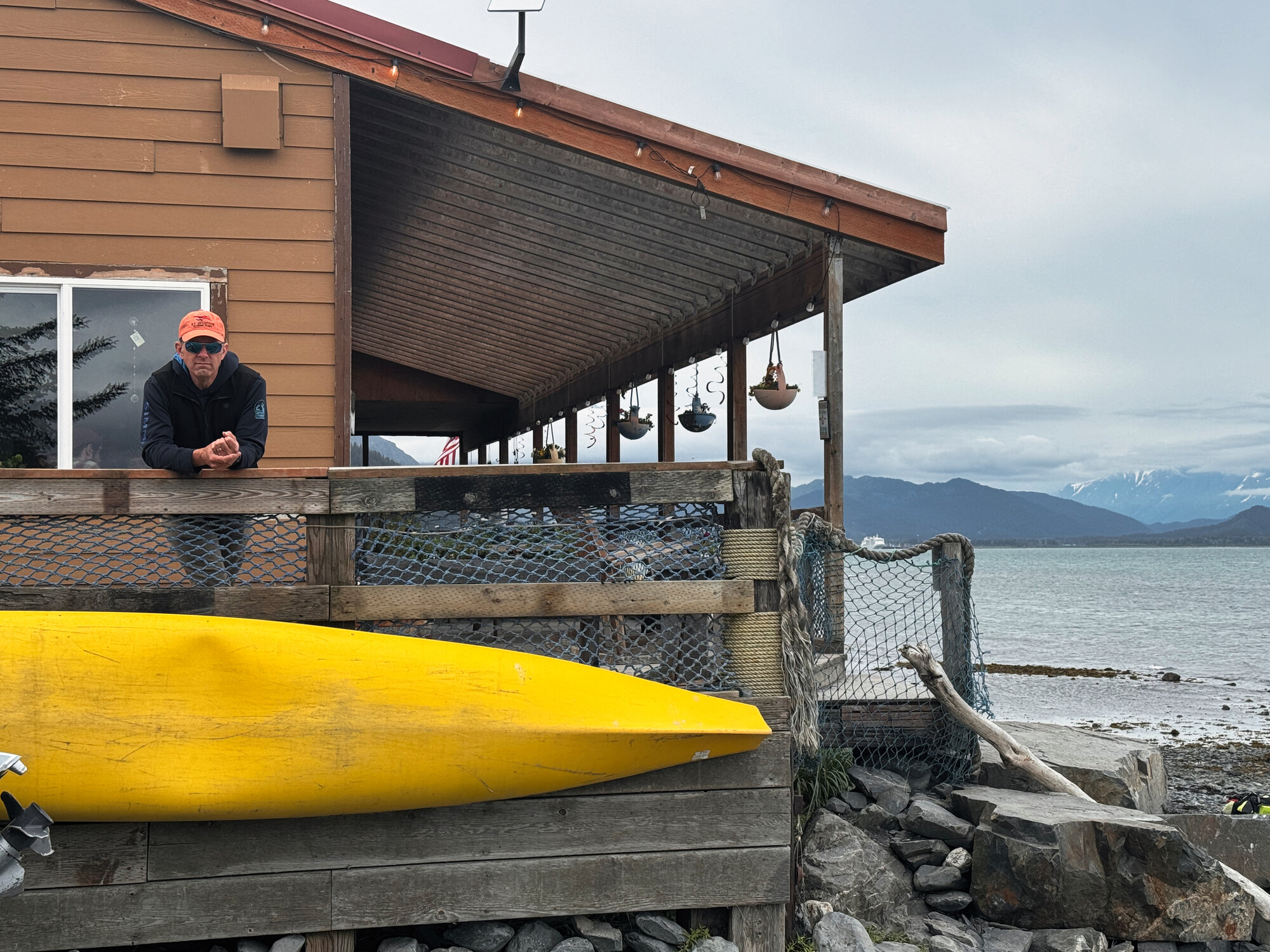
The Goat Rocks loop became an out-and-back and the Sahale Arm never happened. Deep snow on Texas Pass meant plans had to be adjusted. In almost every trip, something changed — weather, a sprained knee, a clogged water filter, a snowpack that had no intention of moving. The trips that handled those pivots well are the ones worth remembering.
Rigidity is a liability in the backcountry. Build a plan worth being proud of, then hold it loosely. The mountain doesn’t consult your itinerary, and the best stories rarely come from the days that went exactly right.
Always Have a
Backup Water Filter
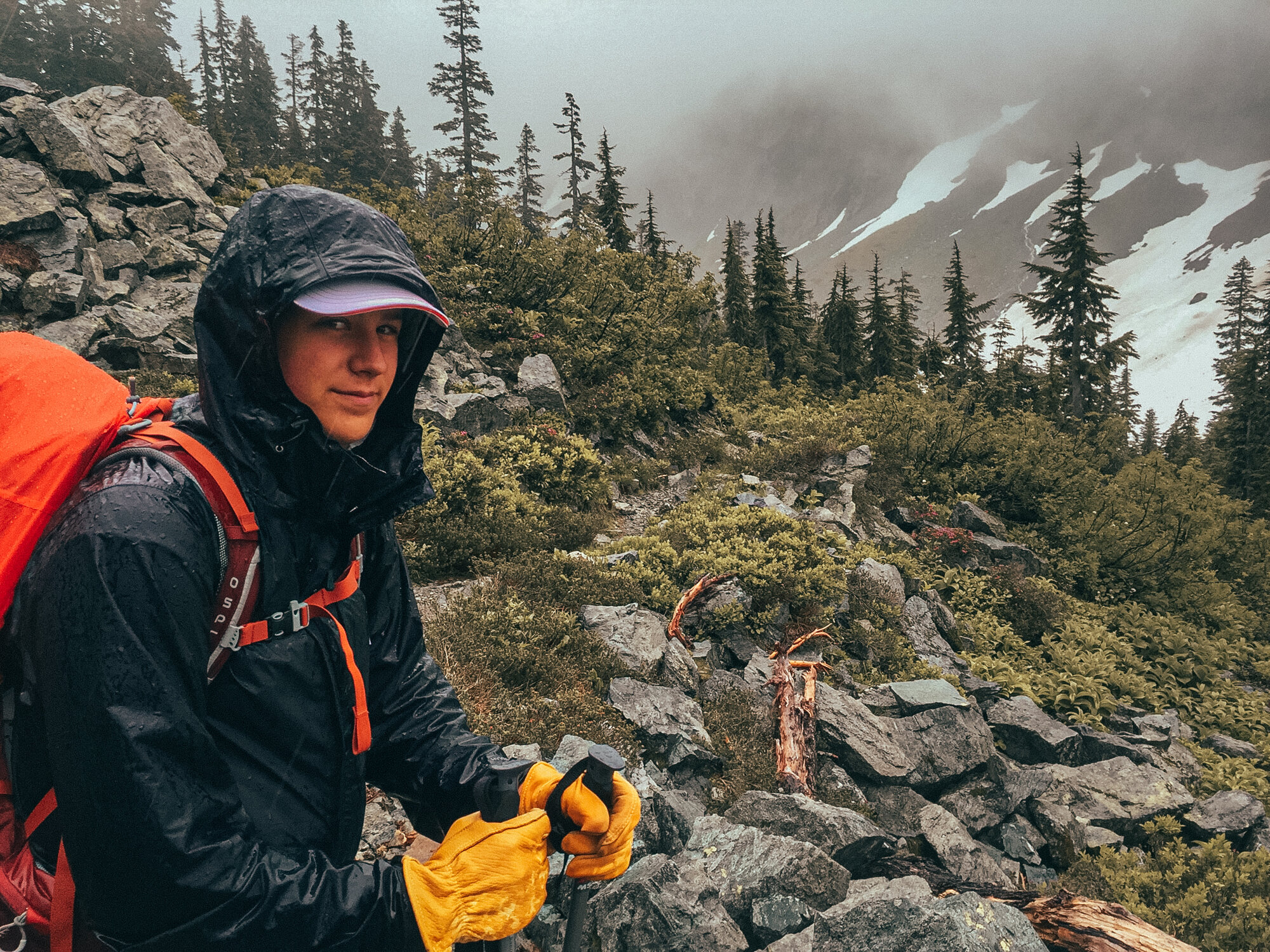
This is literal advice from the North Cascades, where a clogged filter mid-trip turned every water stop into a 20-minute boiling operation. It applies everywhere. Whatever the critical item is for your specific trip — the piece that, if it fails, the whole thing unravels — carry a second one.
This isn’t pessimism. It’s the math of wilderness travel: the more remote the location, the more expensive any single point of failure becomes. A backup filter weighs two ounces. The peace of mind is worth considerably more.
Pack Weight Controls
Everything Else
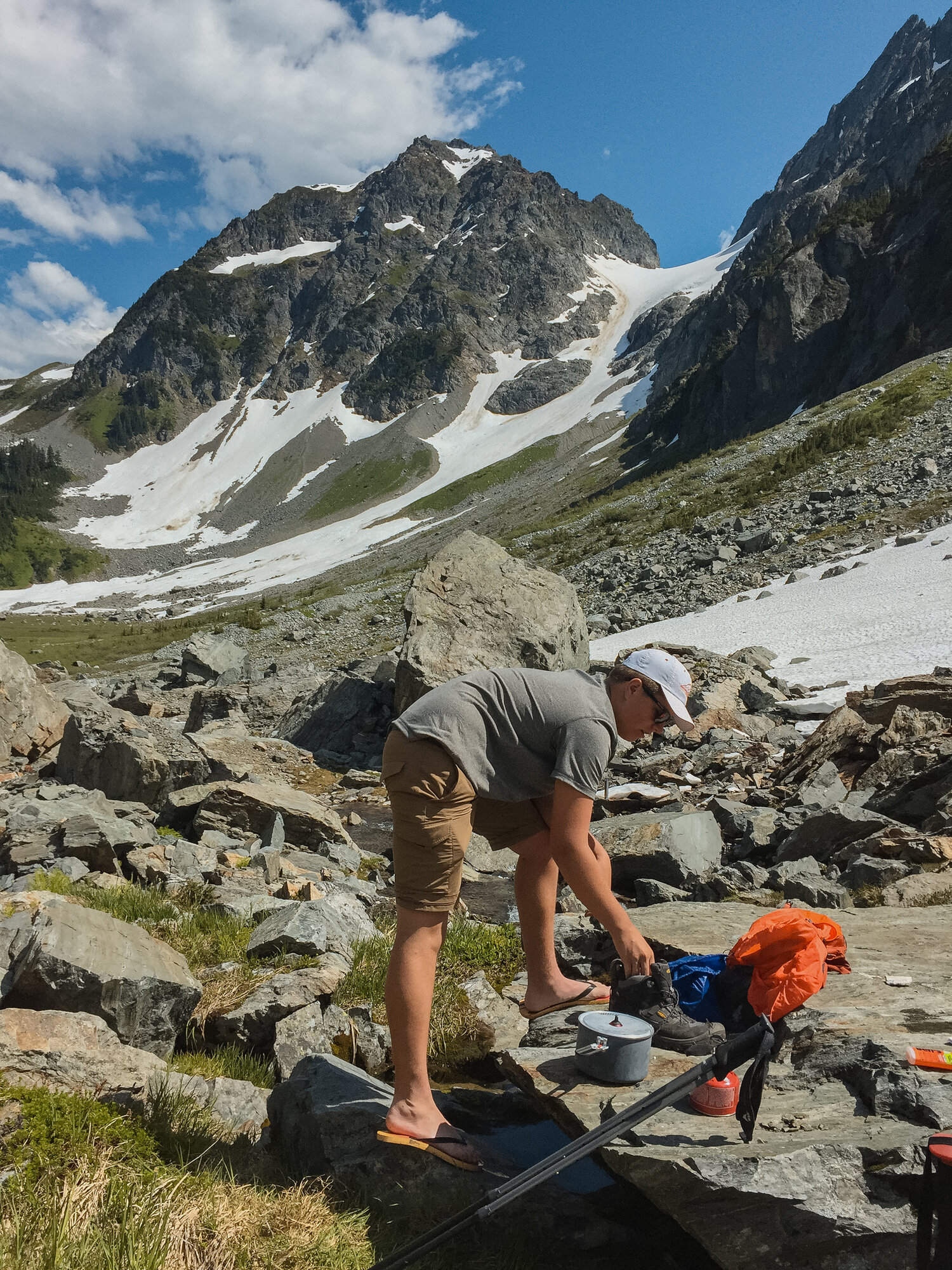
The Beaten Path established this at 60 pounds and seven pounds of summer sausage. Heavy packs don’t just hurt your back — they change every decision on the trail. Whether to push another mile to a better campsite. Whether to scramble up to the ridge for the view. Whether to get up and move in the morning or lie there and negotiate with yourself for another hour.
The lightest version of your kit that genuinely covers the essentials is the right kit. There is absolutely never a need for seven pounds of summer sausage under any circumstances.
Rest Days Are Not
Failures
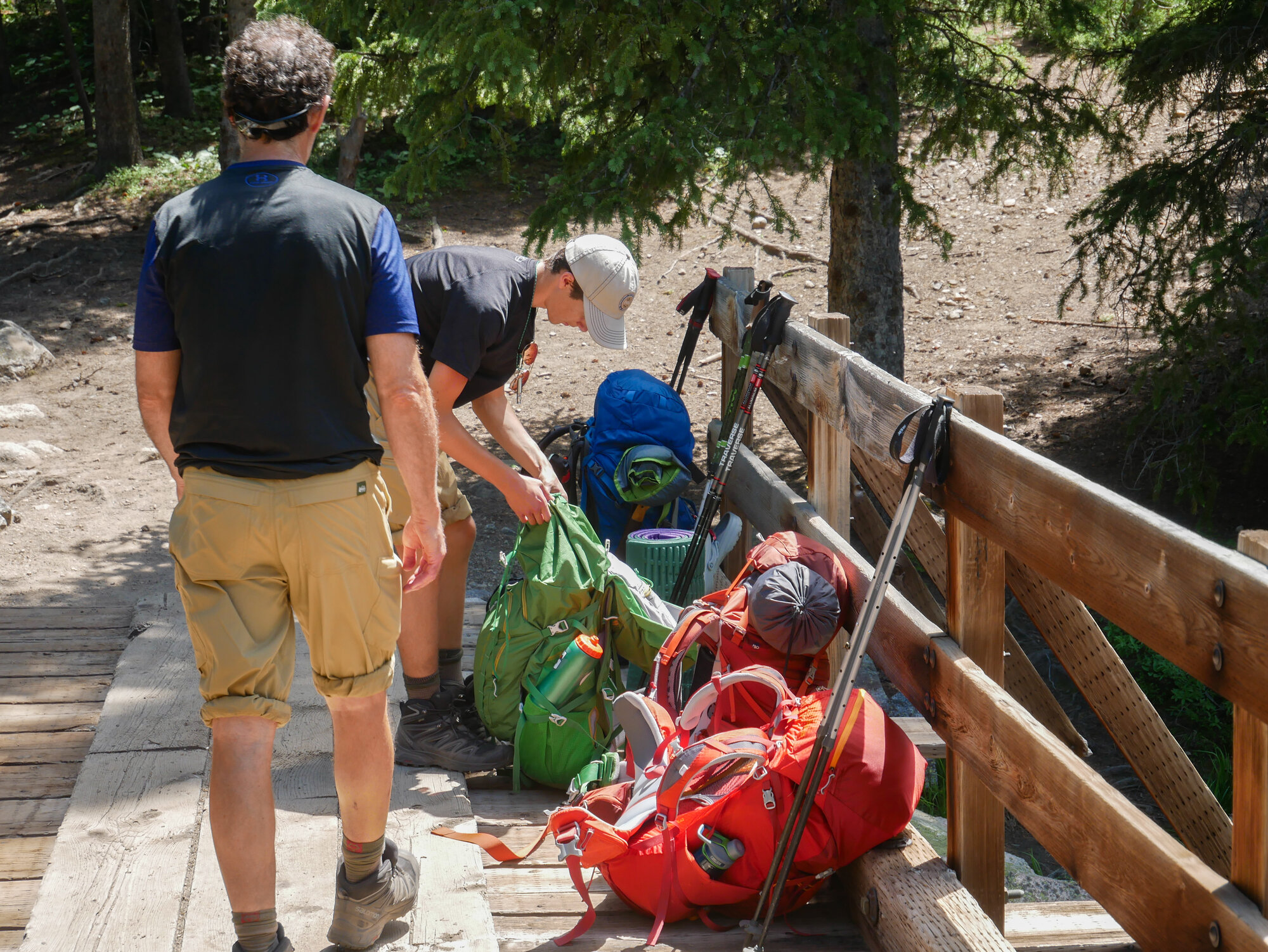
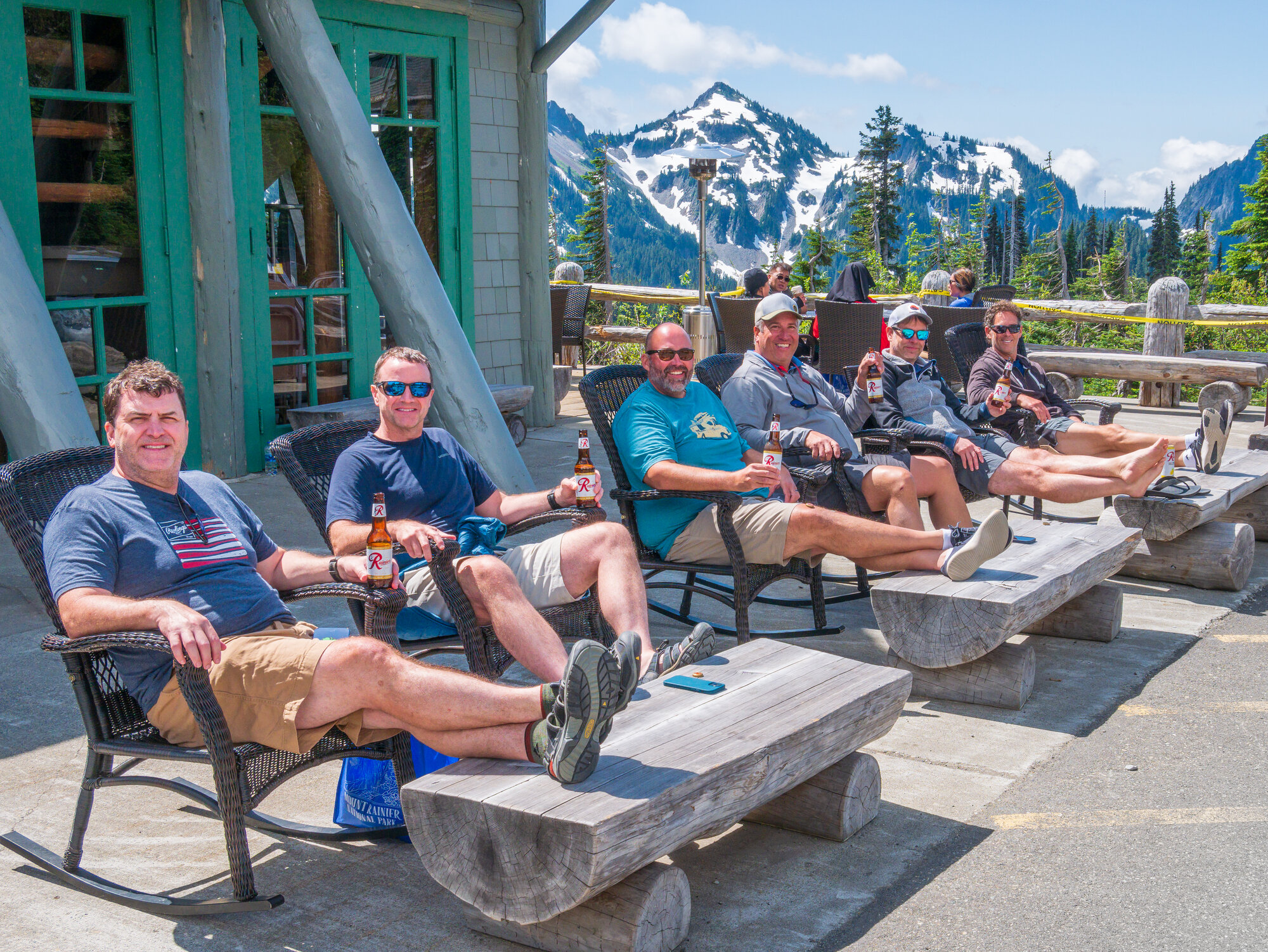
Skipping the third hike at Goat Rocks and driving to Paradise instead. Bailing from the Sahale Arm after a wet camp and spending the afternoon at Mount Rainier. Sitting on the dock at Redfish Lake before the Sawtooths loop and letting the mountains do their thing. In each case, the rest or the redirect produced something worth having.
Knowing when to stop is a skill, not a concession. The objective was never to maximize miles — it was to come home with something you couldn’t have gotten anywhere else. Sometimes that something requires sitting still.
The Unplanned Moments
Are Often the Best Ones
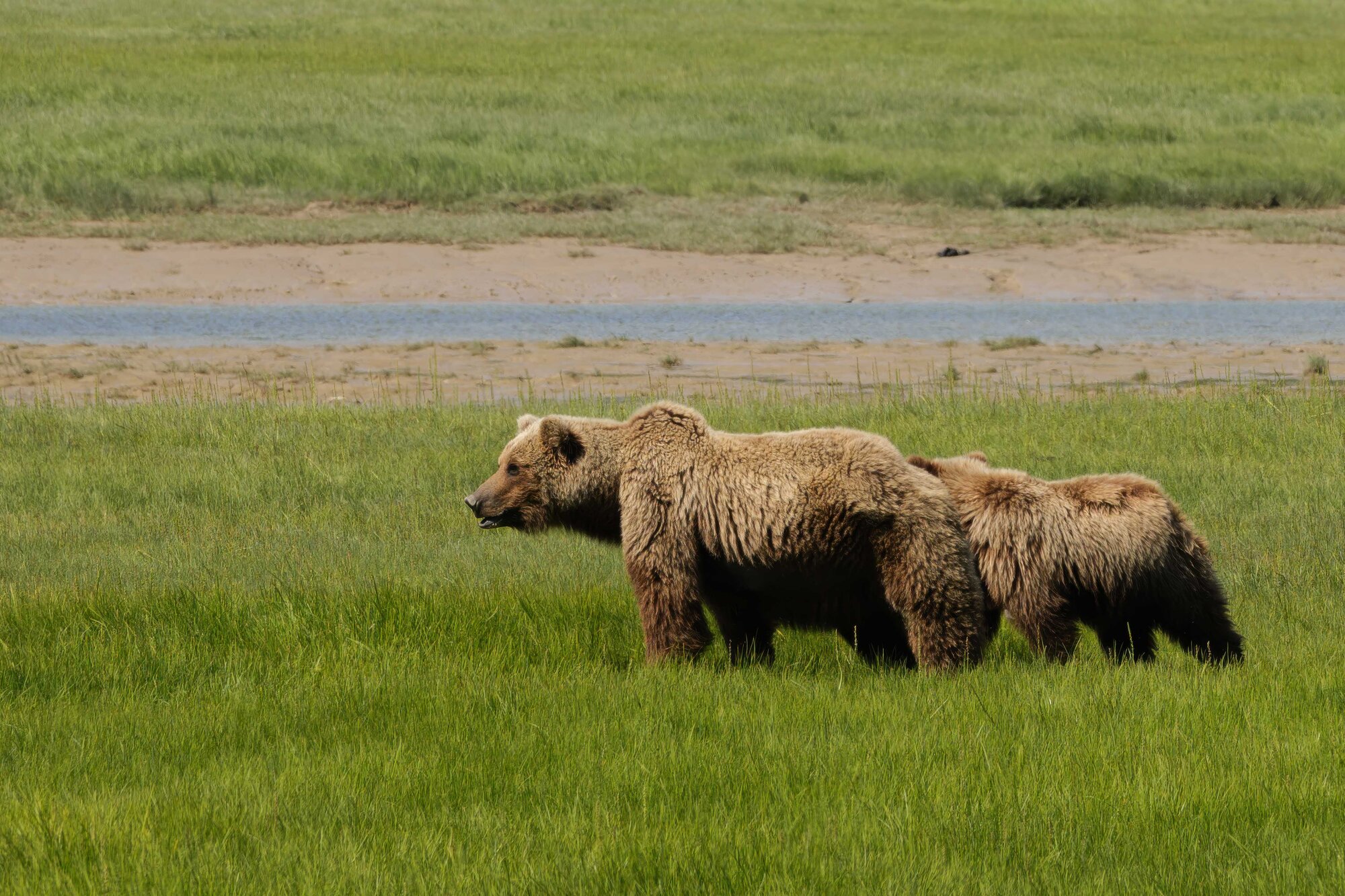
A black bear at the North Cascades trailhead on the way out. Twenty-three coastal brown bears in an open Alaskan meadow, completely unbothered. The 45-second swim at Colchuck Lake in early October that nobody planned and everybody agreed was the right call. A lampredotto sandwich eaten standing at a Florence market counter.
These aren’t the highlights you put on an itinerary. They’re what you find when you’re paying attention and not too attached to what was supposed to happen next. Show up with a plan. Stay open to what shows up instead.
Scale Doesn’t
Translate. You Have to Go.
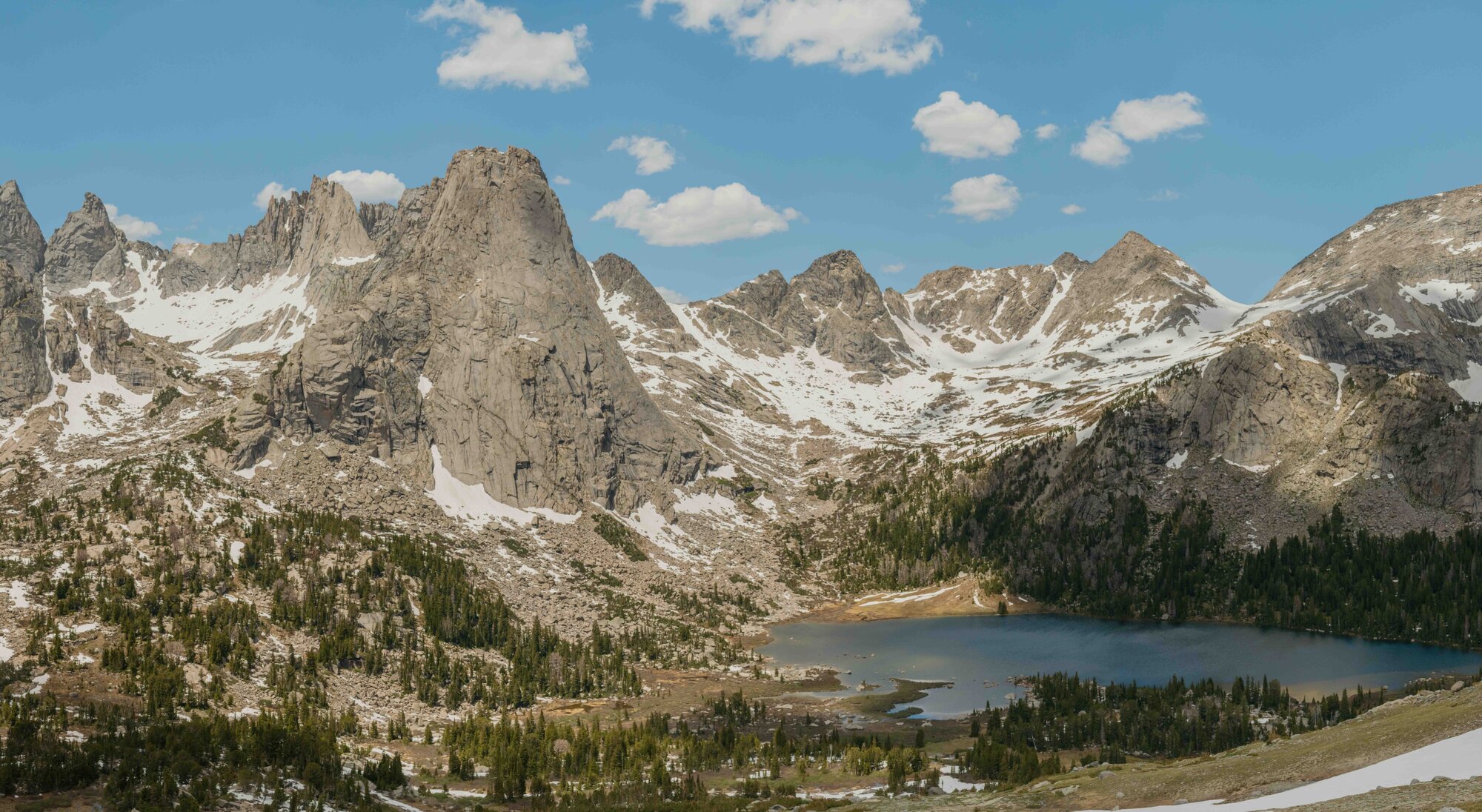
Rainier from High Rock. Pingora rising fifteen hundred feet from Lonesome Lake. Denali from a glacier, the mountain filling the cockpit window until there’s nothing else. Cresting Jackass Pass in the Wind Rivers for the first view of the Cirque of the Towers. Every one of these is extensively photographed, widely documented, and still manages to exceed what any of that preparation can do.
The photographs are good. Being there is a different thing entirely. The gap between the two is the reason to keep going.
Permits and Logistics
Drive the Trip
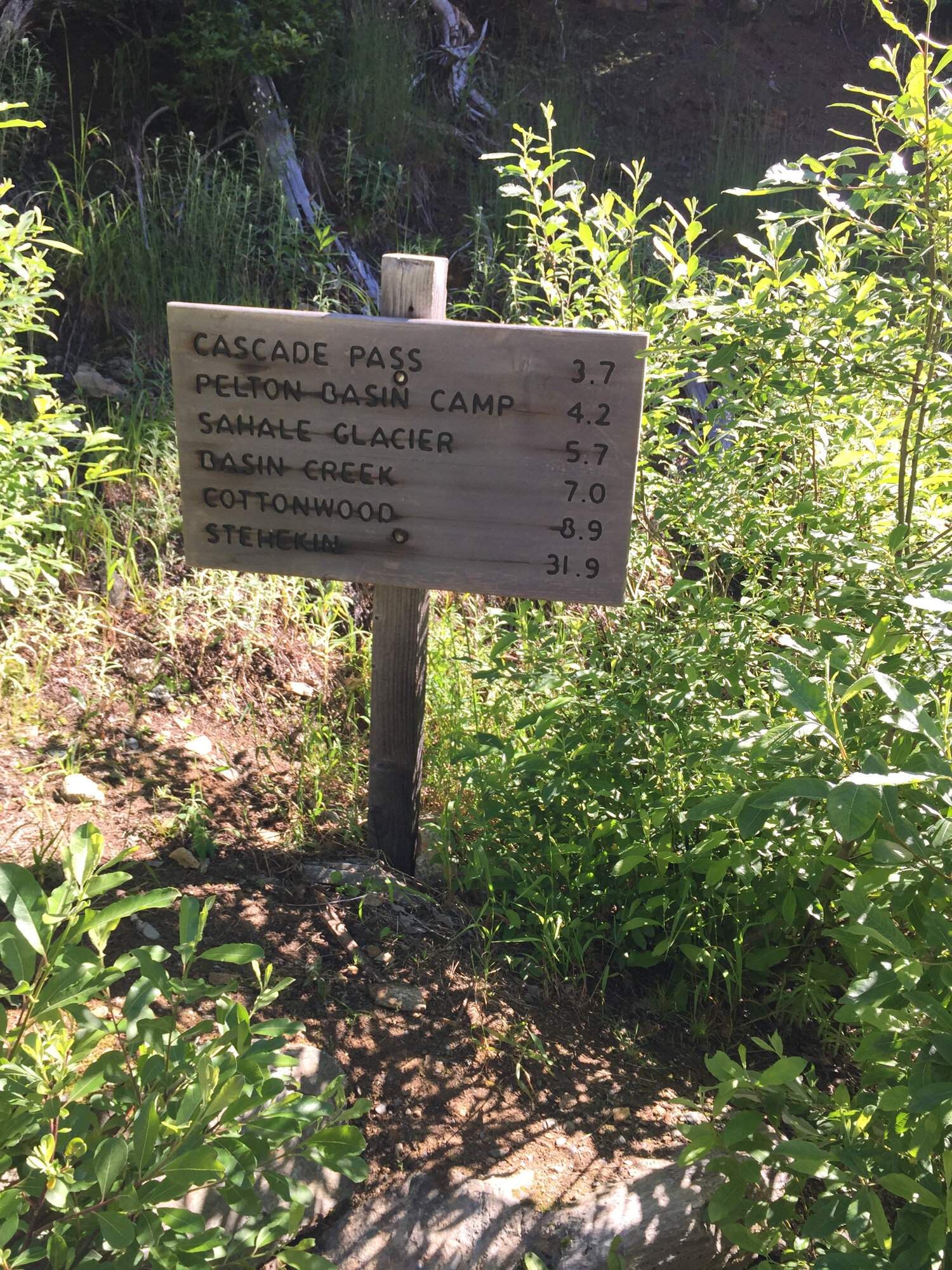
The Whitney lottery is among the most competitive permits in the National Park System and requires planning months out. Permit availability in the North Cascades will determine your campsite and mileage. The West Rim needs a specific shuttle arranged in advance. If you fall in love with the destination first and figure out access second, you spend a lot of time on waitlists or standing at trailheads reading signs.
Build the trip around what’s achievable on your timeline, then find the destination within those constraints. The logistics aren’t the obstacle — they’re the framework. Work with them early and the rest is straightforward.
The Shoulder Season Is
Almost Always the Answer
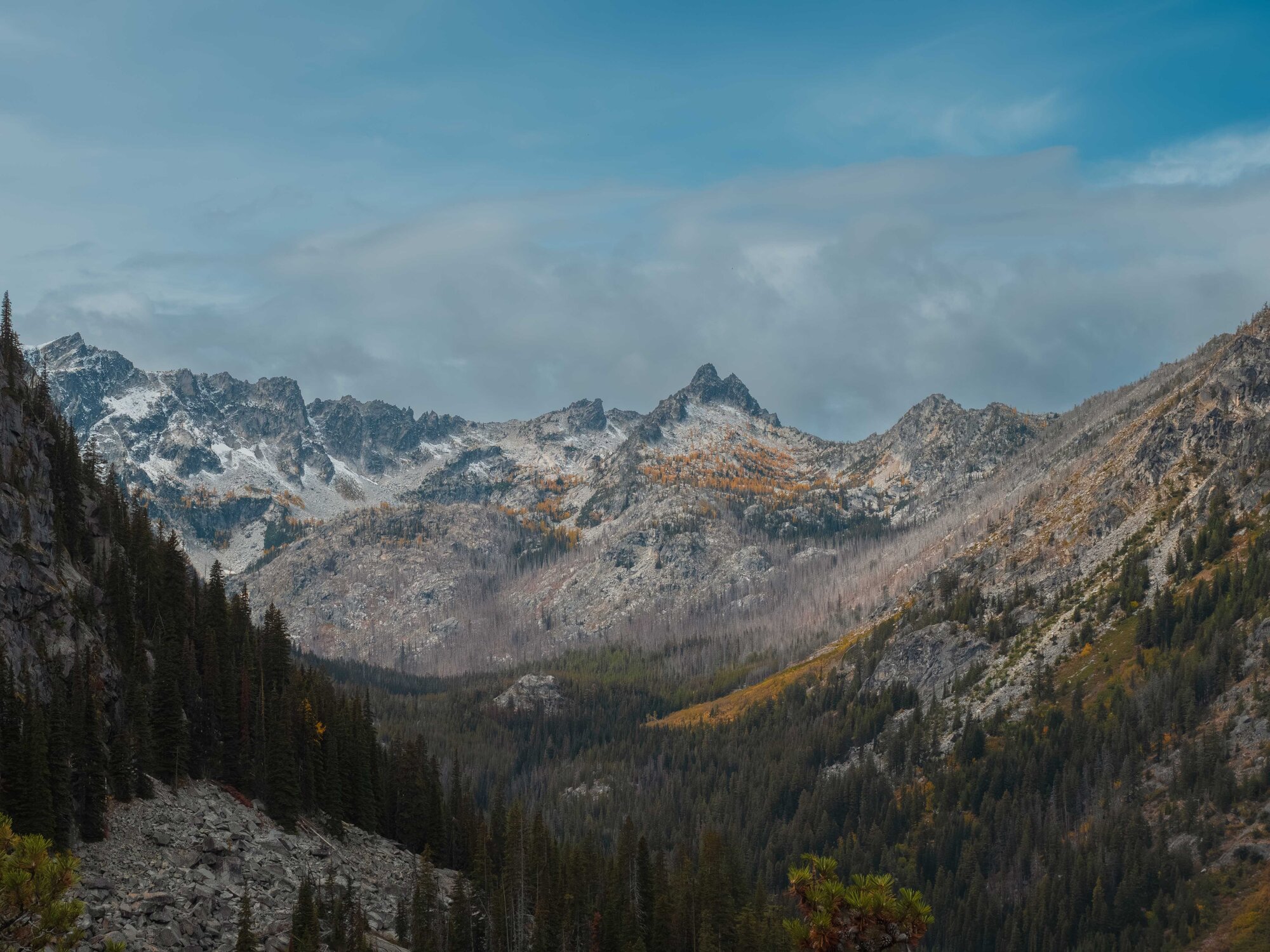
October larches at Colchuck, gold against gray granite and early snow. Late September on Whitney with thinner crowds and aspens turning in the lower canyon. April in Tuscany with perfect light and shorter lines everywhere. The margins of the season — when most people aren’t there yet or have already left — are consistently the best times to be in any of these places.
The weather window narrows. The light changes. You have to plan more carefully. Every one of those inconveniences is worth it.
Good Food Is Part
of the Trip, Not a Footnote
From the Big Sandy Lodge burger at the end of the Wind Rivers to the pesto pasta served above the Ligurian Sea to a Schooner at Grumpy’s in Ketchum after two days in the Sawtooths — the meals that bookend or punctuate these trips are as much a part of the story as the miles. They mark the transition. They create the space to actually process what just happened.
Don’t rush them. Don’t treat them as refueling stops. A great meal at the end of a hard day in the mountains is its own form of wilderness reward, and it deserves the same attention you gave the summit.
Not Every Great Trip
Requires a Tent
Some of the most clarifying trips in these pages never involved a sleeping bag. Alaska was a lodge. Barcelona was a hotel in a quiet residential neighborhood. Tuscany was trains and restaurants and afternoon light on old stone. Goat Rocks was an Airbnb and a hot tub. The absence of a tent did not make any of them less real.
The point of getting away isn’t suffering — it’s attention. A change of place forces you to look, and looking is the thing. Whether that happens from a backcountry camp or a well-chosen hotel is beside the point. Go somewhere new. Pay attention. The clarity tends to follow.