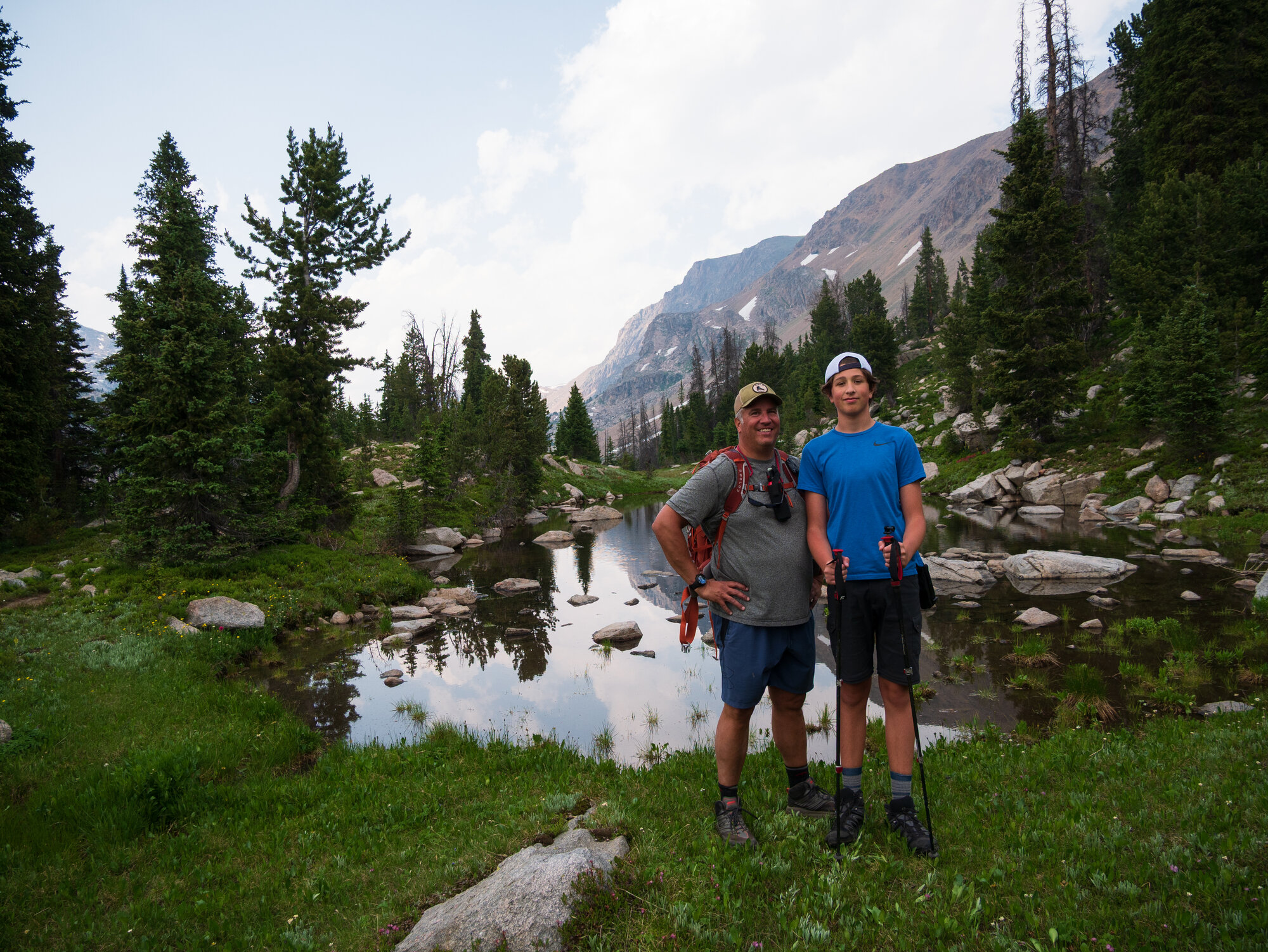
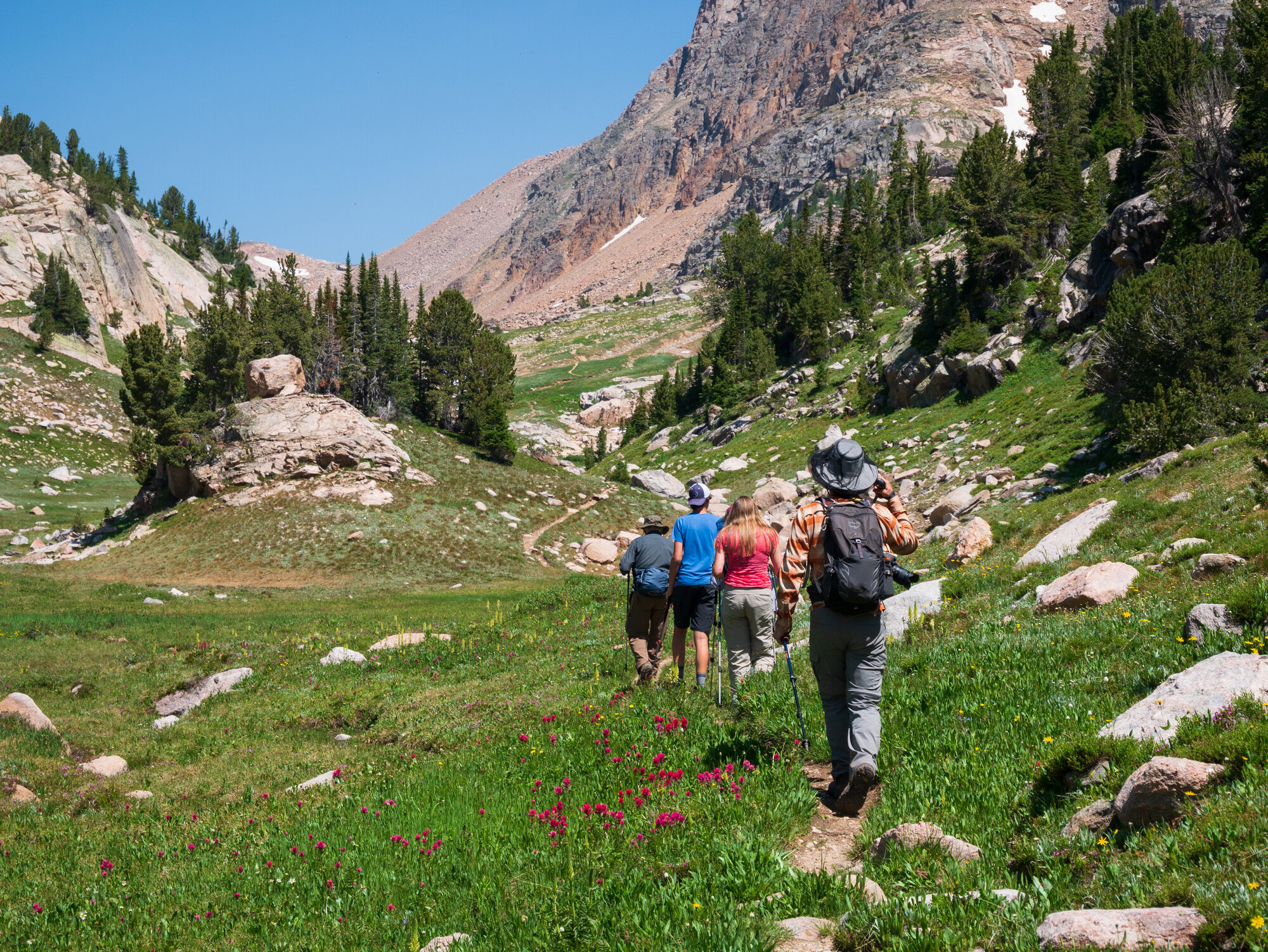
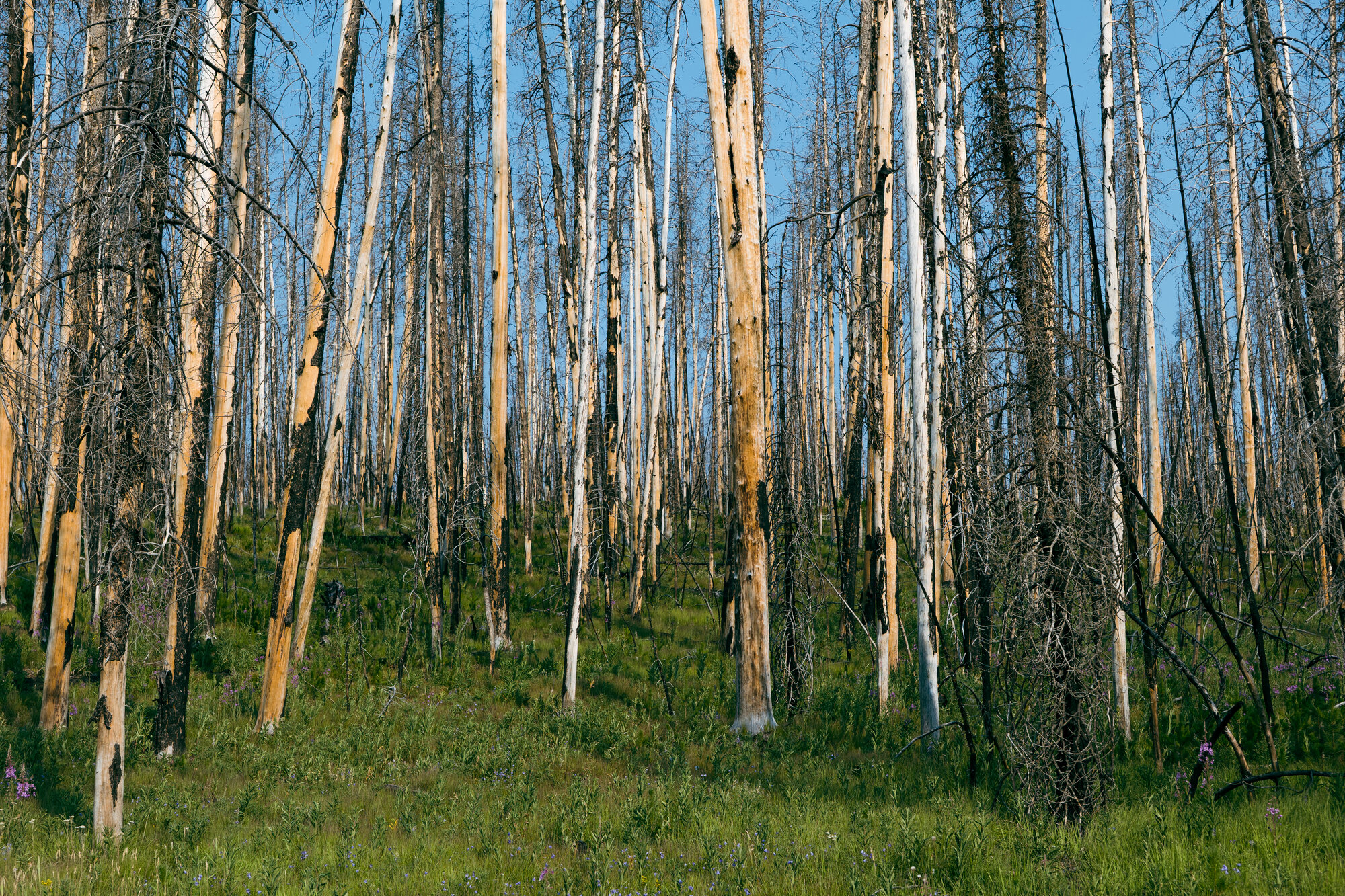
July 2021. The world was tentatively reopening after a year and a half of Covid. National parks were mobbed — everyone had the same idea at the same time — but the High Lakes Wilderness Study Area, sitting at nearly 10,000 feet on the Beartooth Plateau, hadn't gotten the memo. Mostly uncrowded, mostly quiet, except for the haze from wildfires burning across Oregon, Washington, and British Columbia that hung over everything like a reminder that the West has its own calendar.
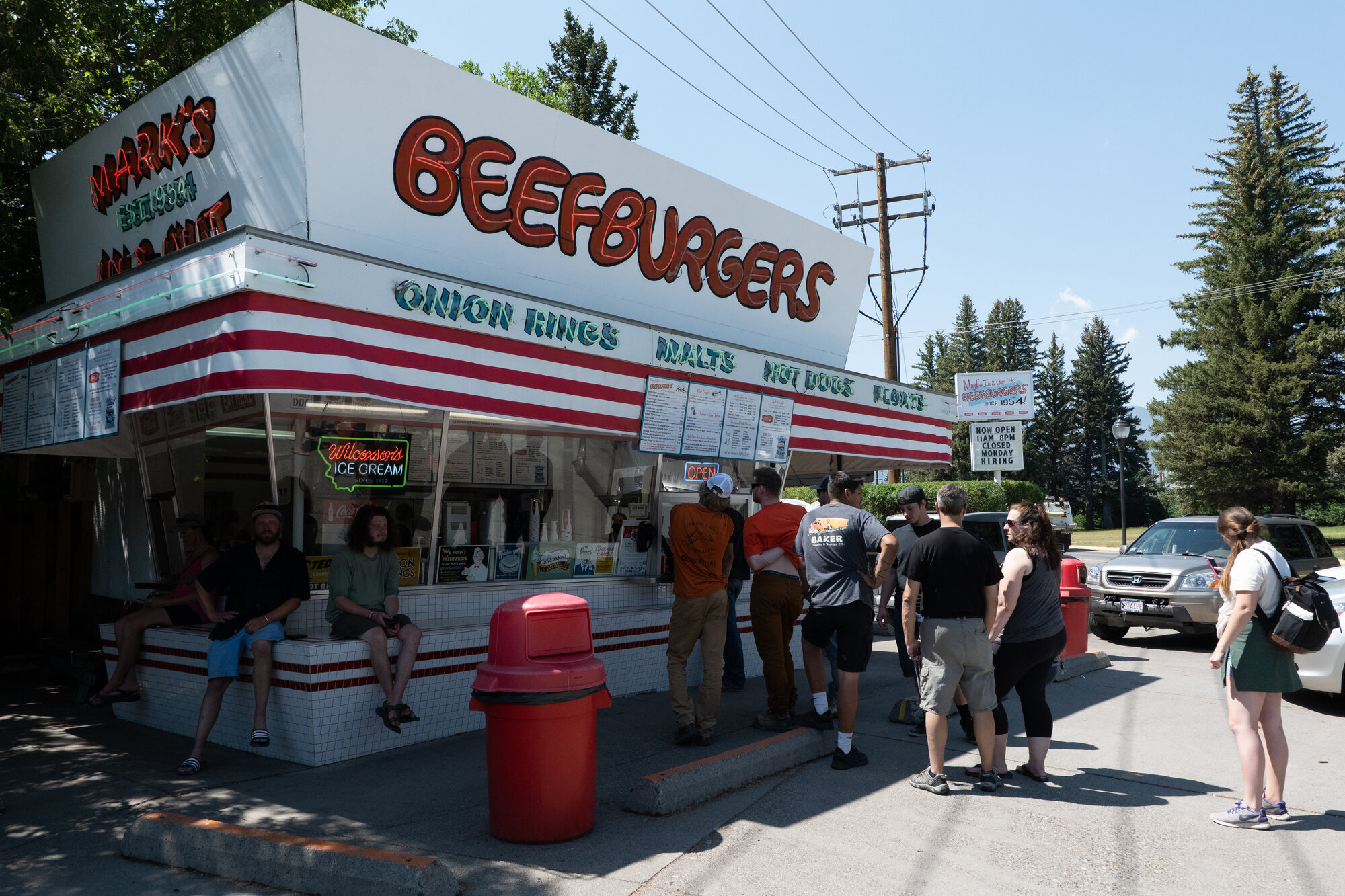
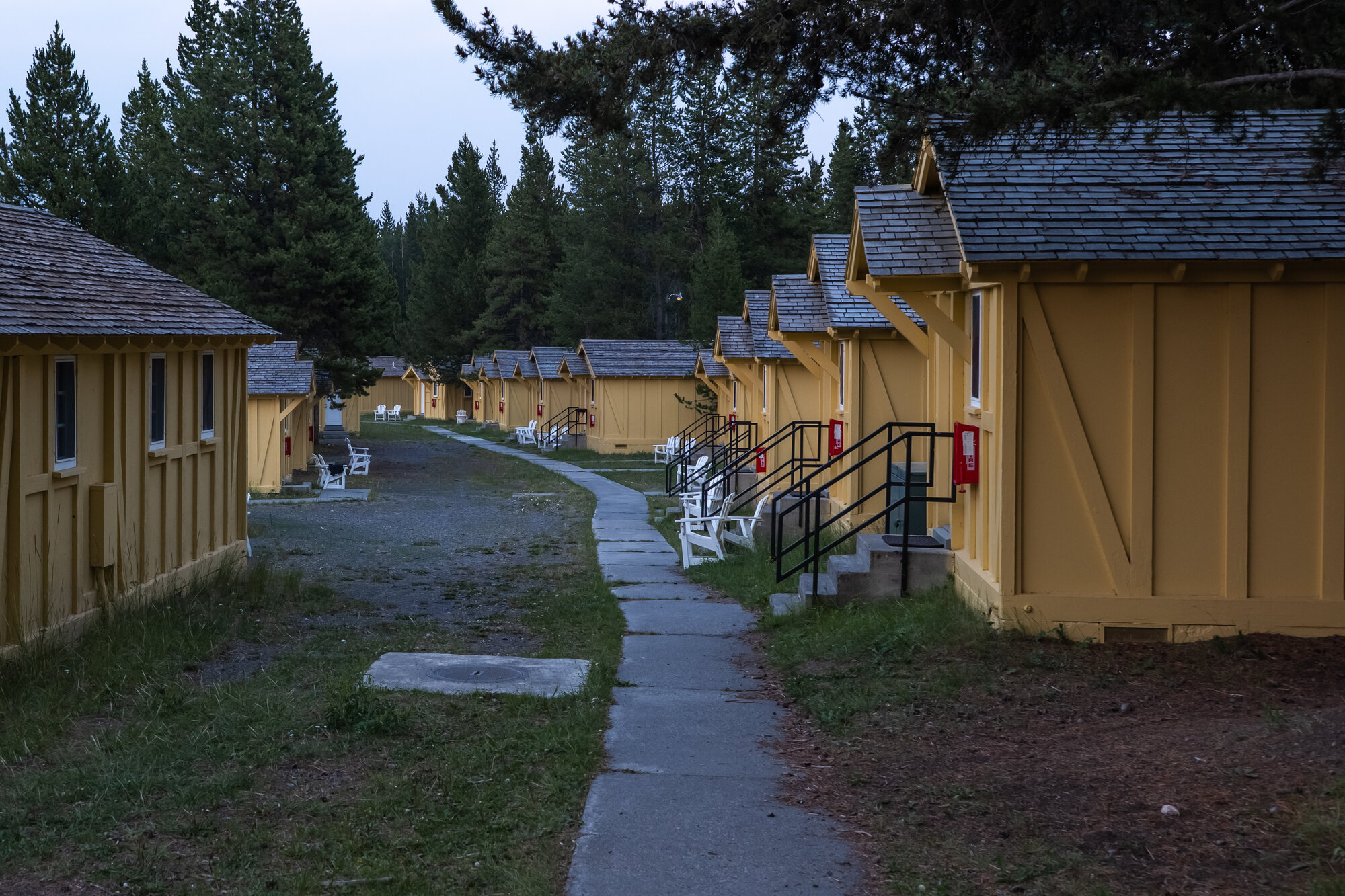
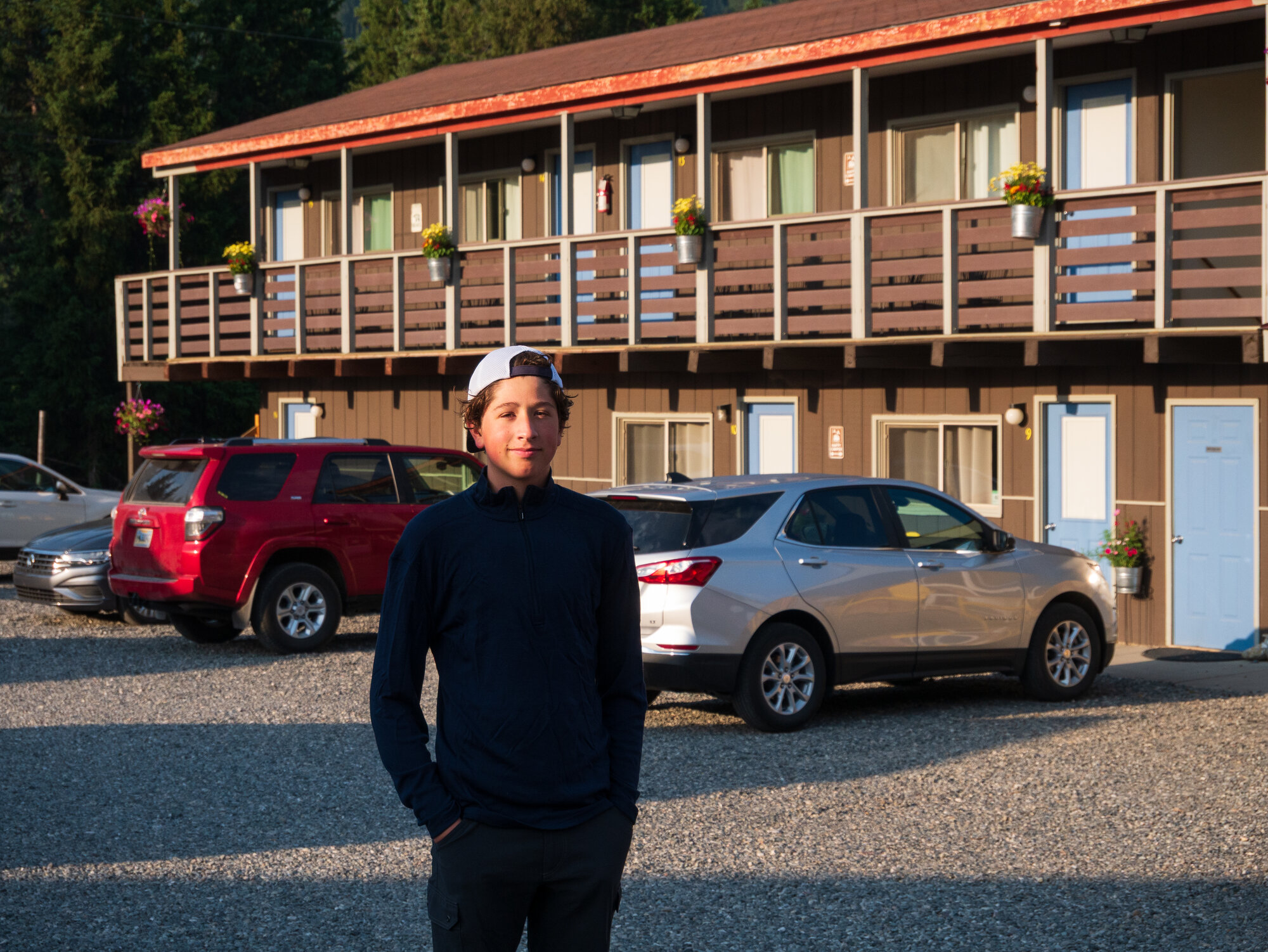
The trip started the way most Greater Yellowstone trips do: a flight into Bozeman, a quick stop at REI for bear spray and whatever we'd forgotten, and then Mark's In & Out on the way through Livingston. If you've never had a burger and a hot fudge malt at Mark's, you haven't really started a Montana trip. From Bozeman we dropped south through Paradise Valley — aptly named — and through Gardiner, entering Yellowstone through the northwest entrance. A few stops along the way, and we rolled into Cooke City by early evening. Population: very small. Dinner options: limited but reliable. Pizza at the Miners Saloon, as always. We stayed at the High Country Cabins right on Main Street, which is also essentially the only street. After a restless night — altitude, anticipation, the usual — we grabbed breakfast sandwiches at Cooke City Coffee, packed a couple extras for the trail, and pointed the car toward the Beartooth Pass.
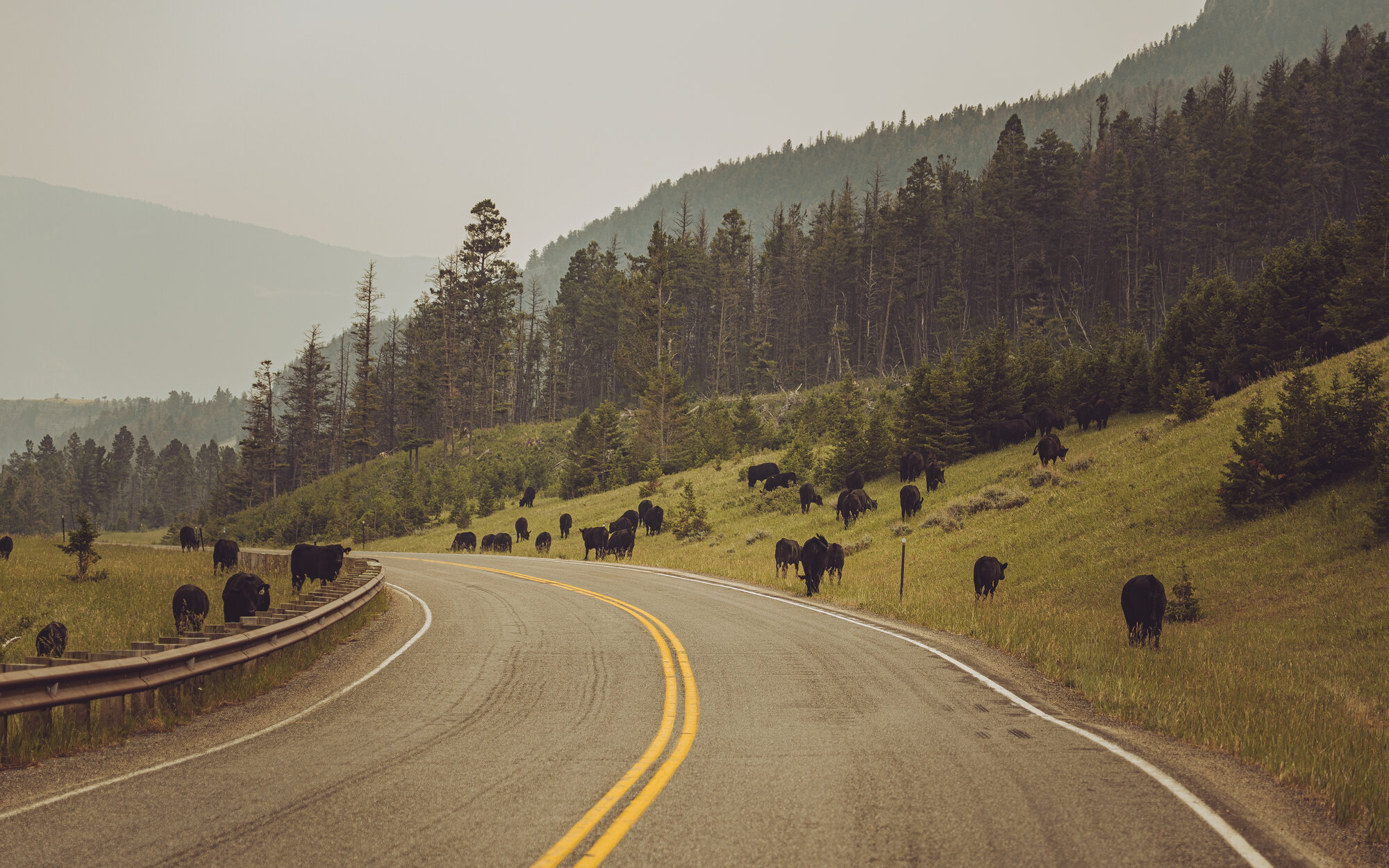
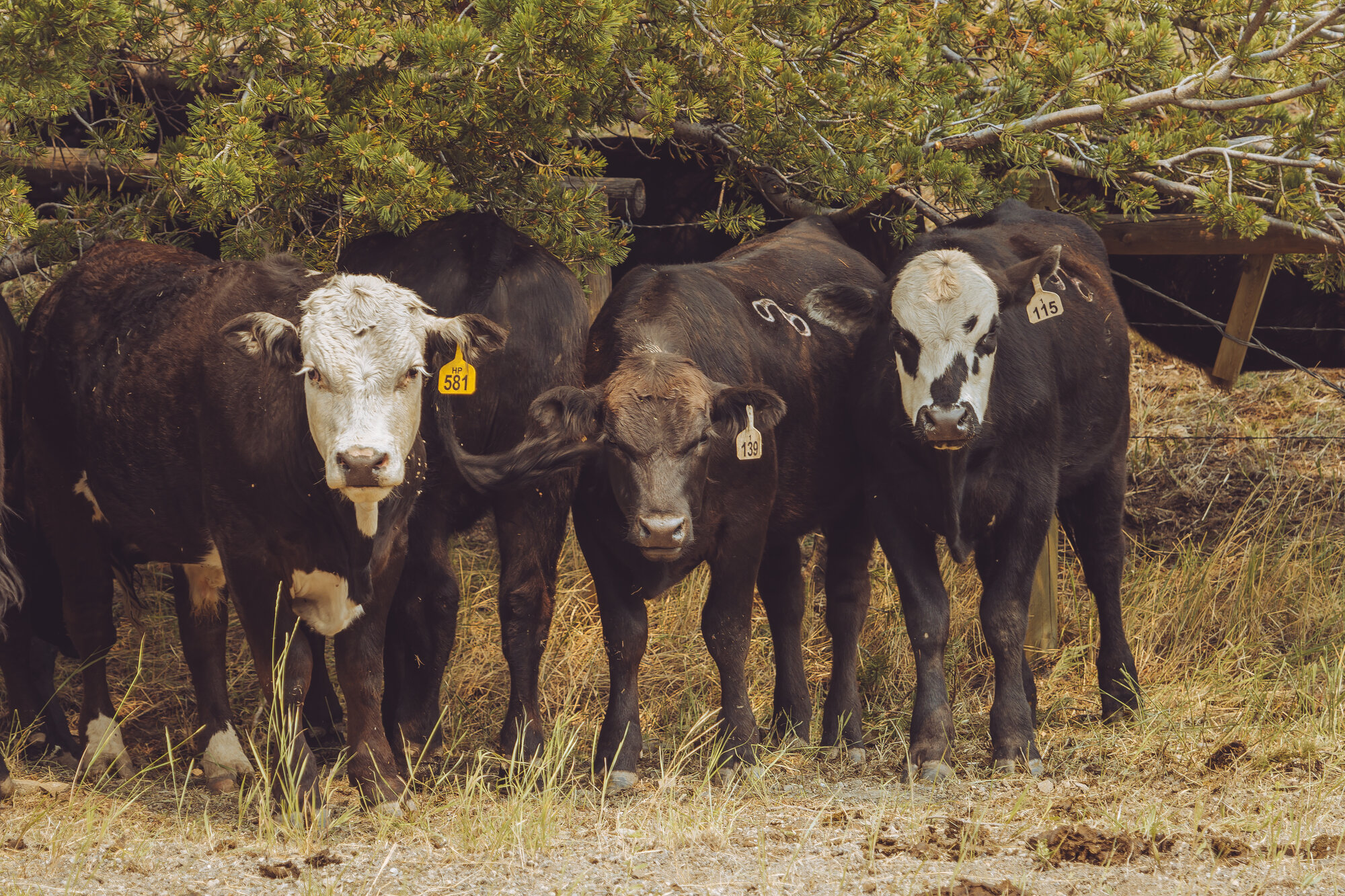
The Beartooth Highway is one of the great American drives. From Cooke City you pass cattle grazing in the lower meadows, then climb through dense forest above the Clarks Fork River before the landscape opens into something genuinely spectacular: exposed granite, snowfields in July, elevation above 10,000 feet. We passed Beartooth Butte, Beartooth Lake, and the Top-of-the-World Store — the only commerce between Cooke City and Red Lodge, worth knowing — before pulling into the Island Lake Trailhead. The air was thick with wildfire smoke, but the temperature was comfortable and the sun was cutting through well enough.
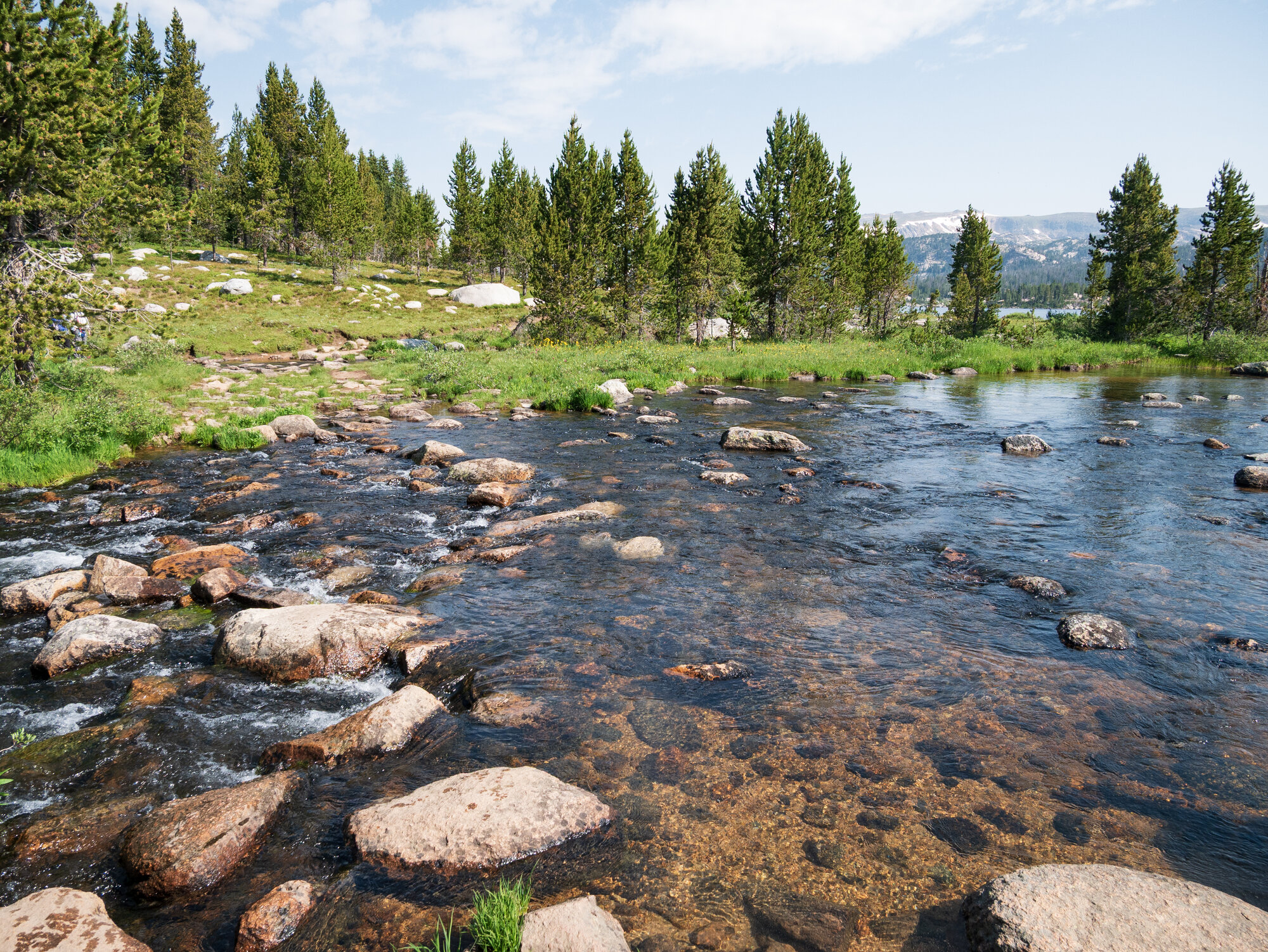
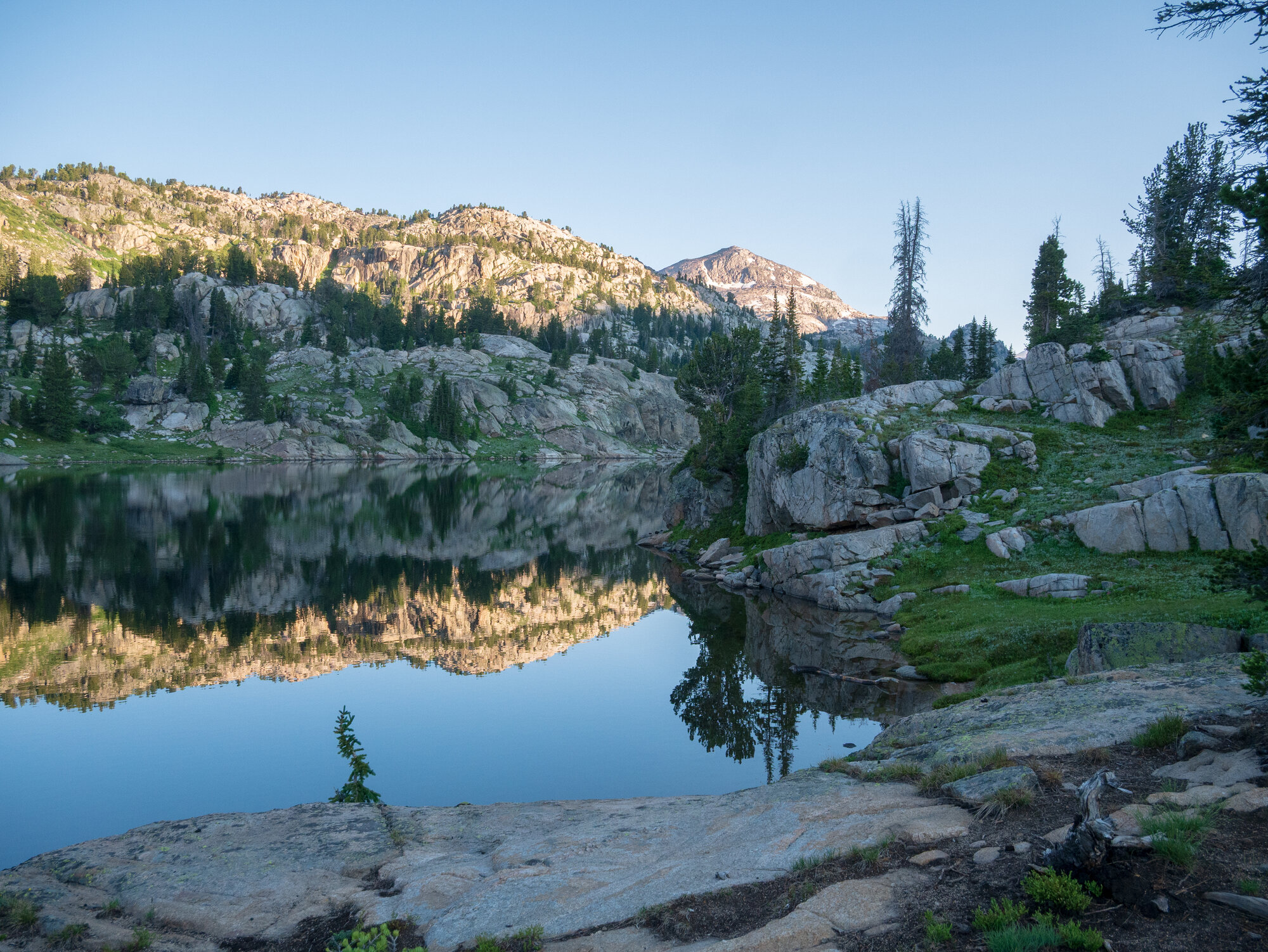
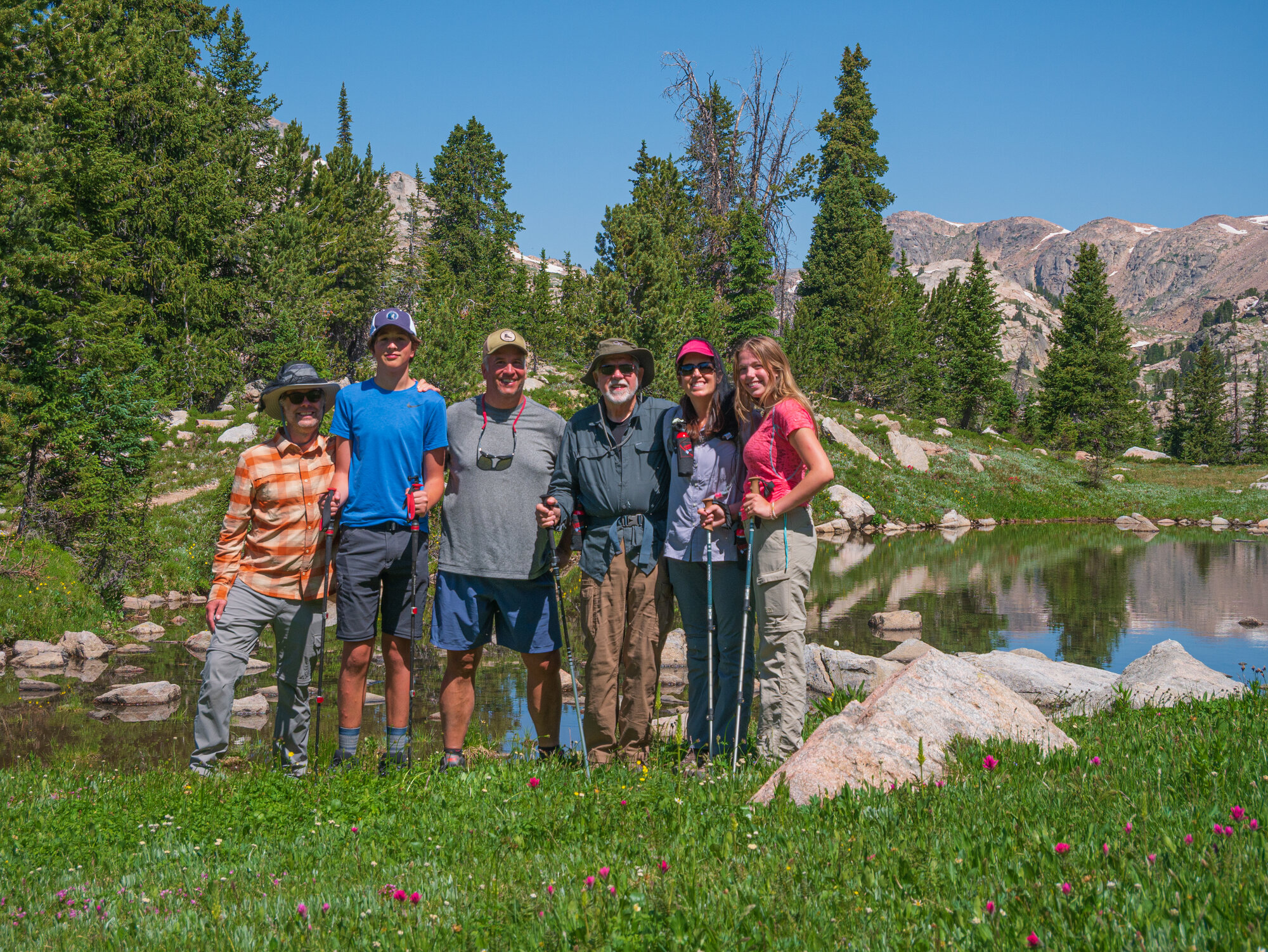
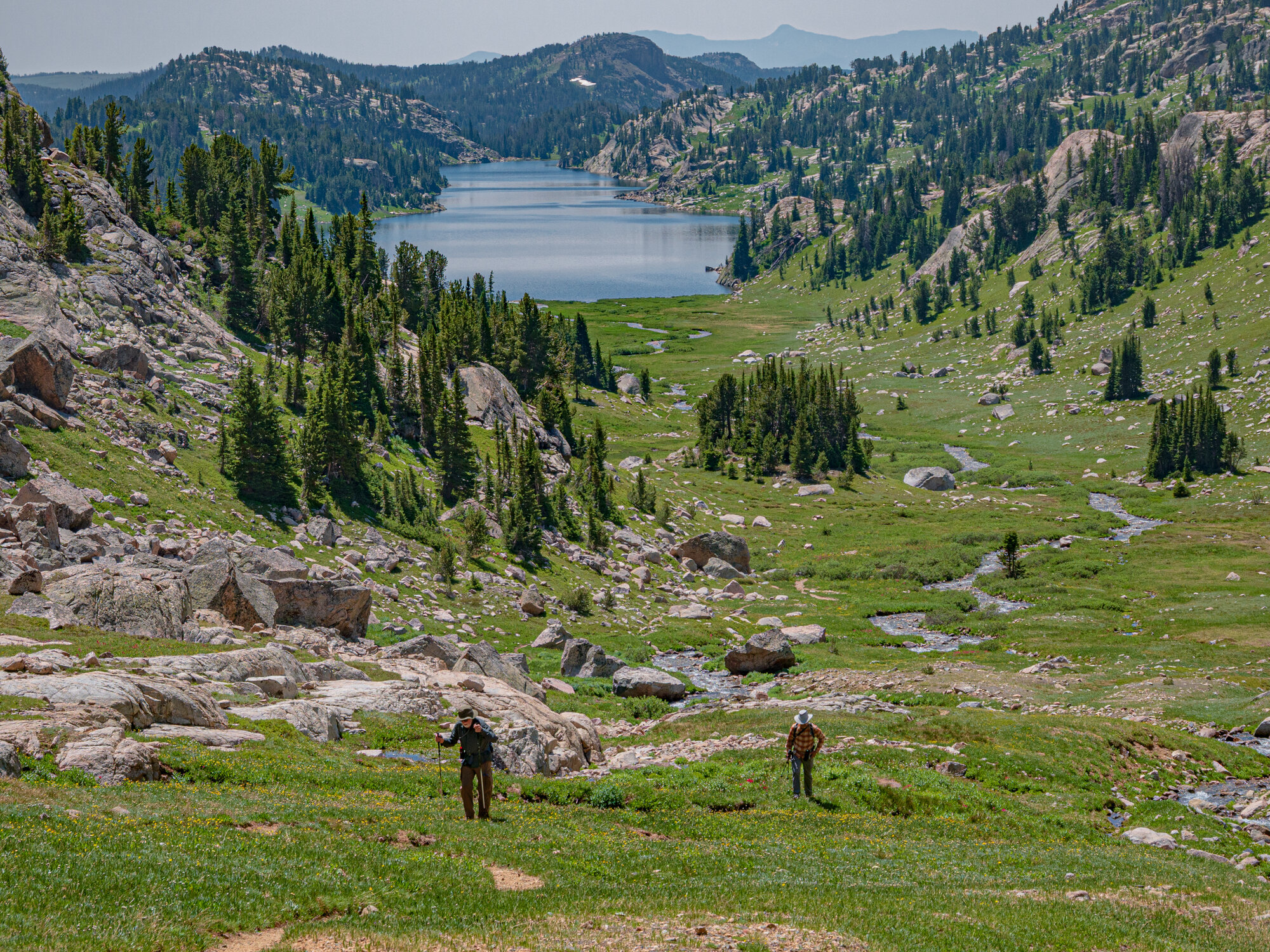
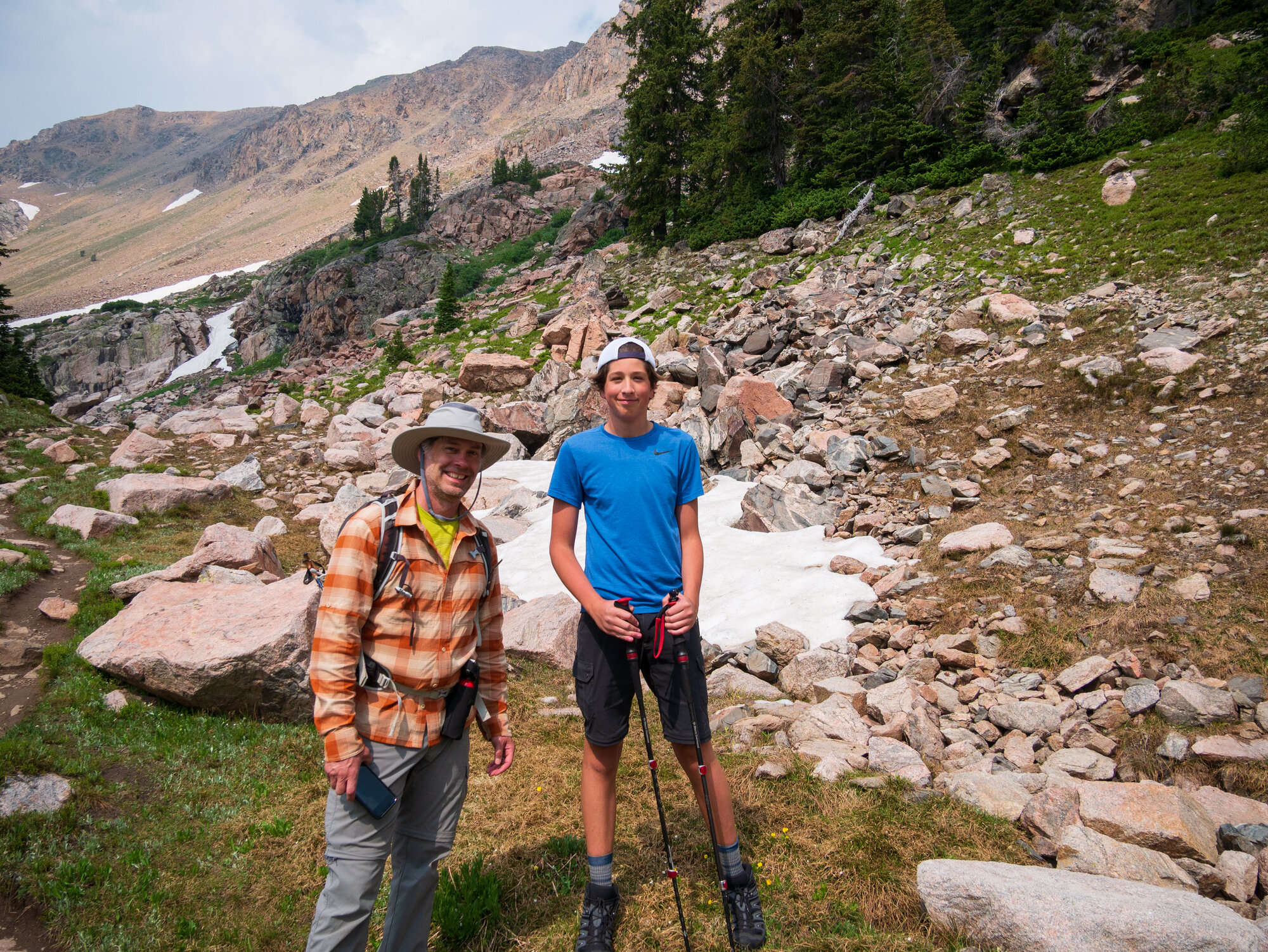
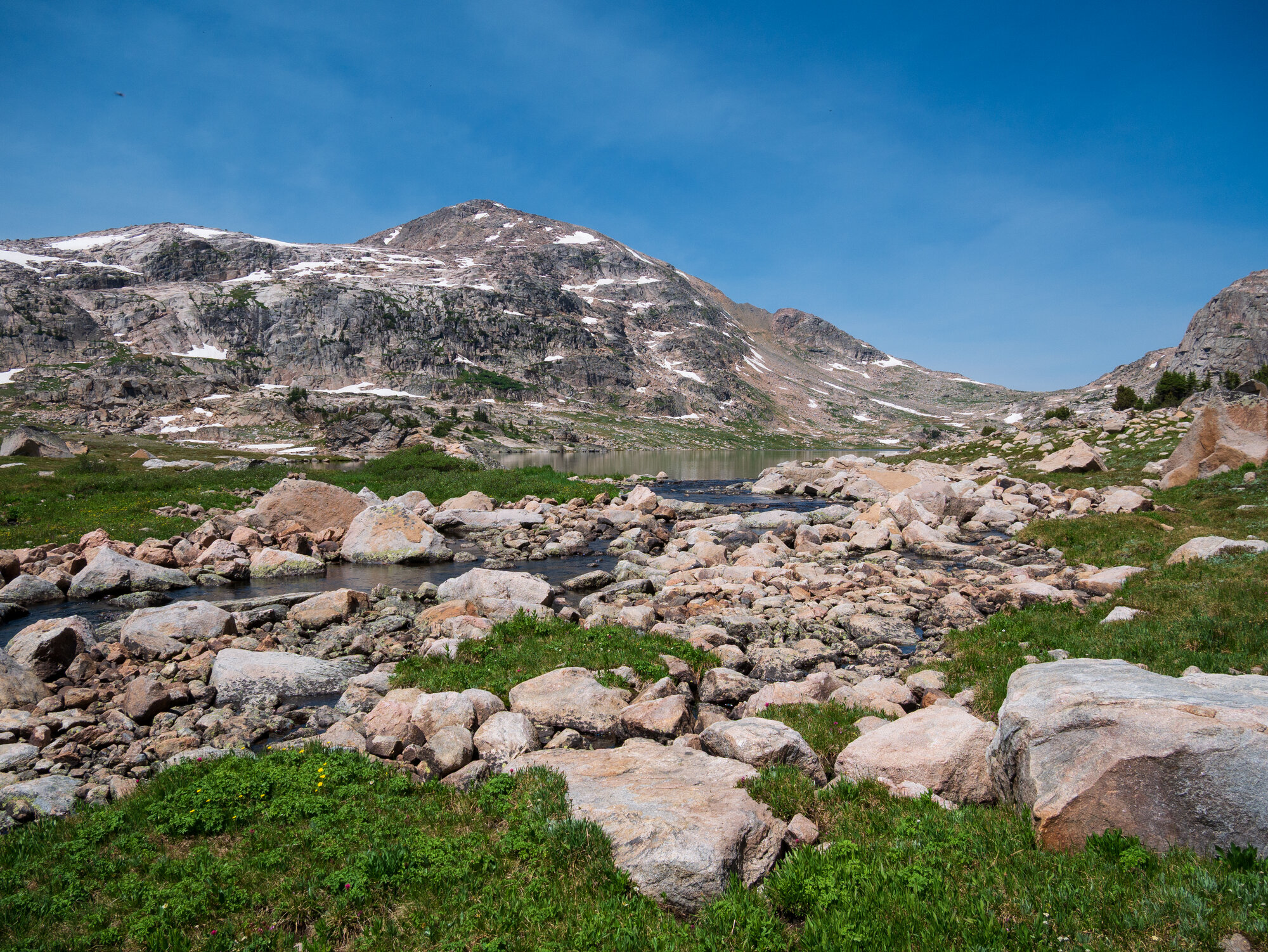
We hit the trail late morning. The first crossing — Little Bear Creek, hopped stone-to-stone — set the tone nicely. The trail past Island Lake and Night Lake is as straightforward as alpine hiking gets: well-maintained, nearly flat, easy going throughout. It rolls a little after that, but nothing that earns any serious complaints. About 4 miles from the trailhead, Becker Lake came into view. So did our friends, who had arrived the day before and done the important work of securing a genuinely excellent campsite on the south end of the lake — flat ground, good tent spots, large boulders and rock walls offering natural wind protection on all sides. We set up camp and immediately did the thing you do when you've been hiking in July heat: jumped in the lake.
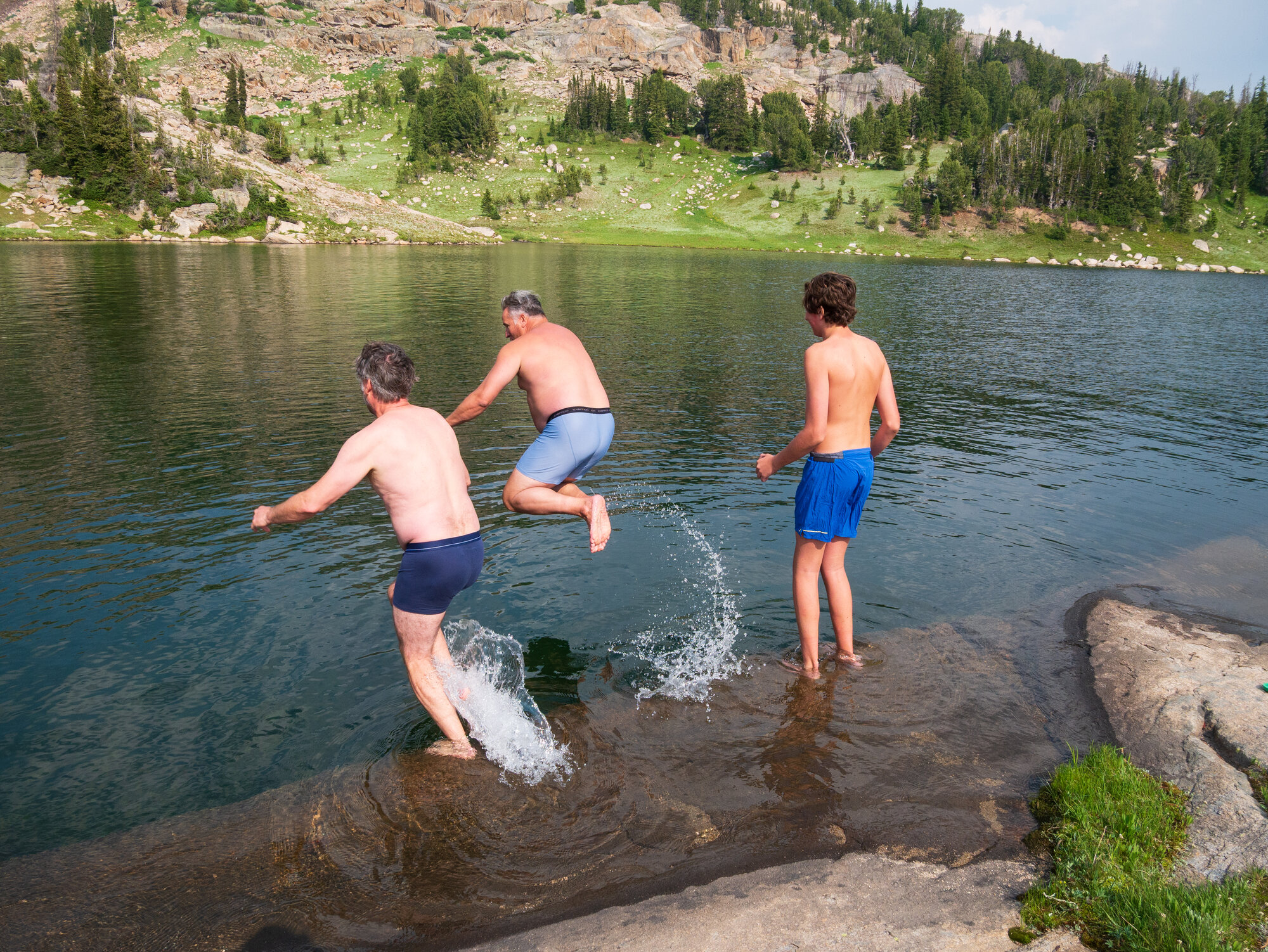
Good lord, it was cold. The kind of cold that makes you question every decision that led to that moment and then makes you feel immediately, completely alive. Dinner was freeze-dried chili-mac and chicken vindaloo — standard backcountry fare, and better than you'd expect when you're hungry enough.
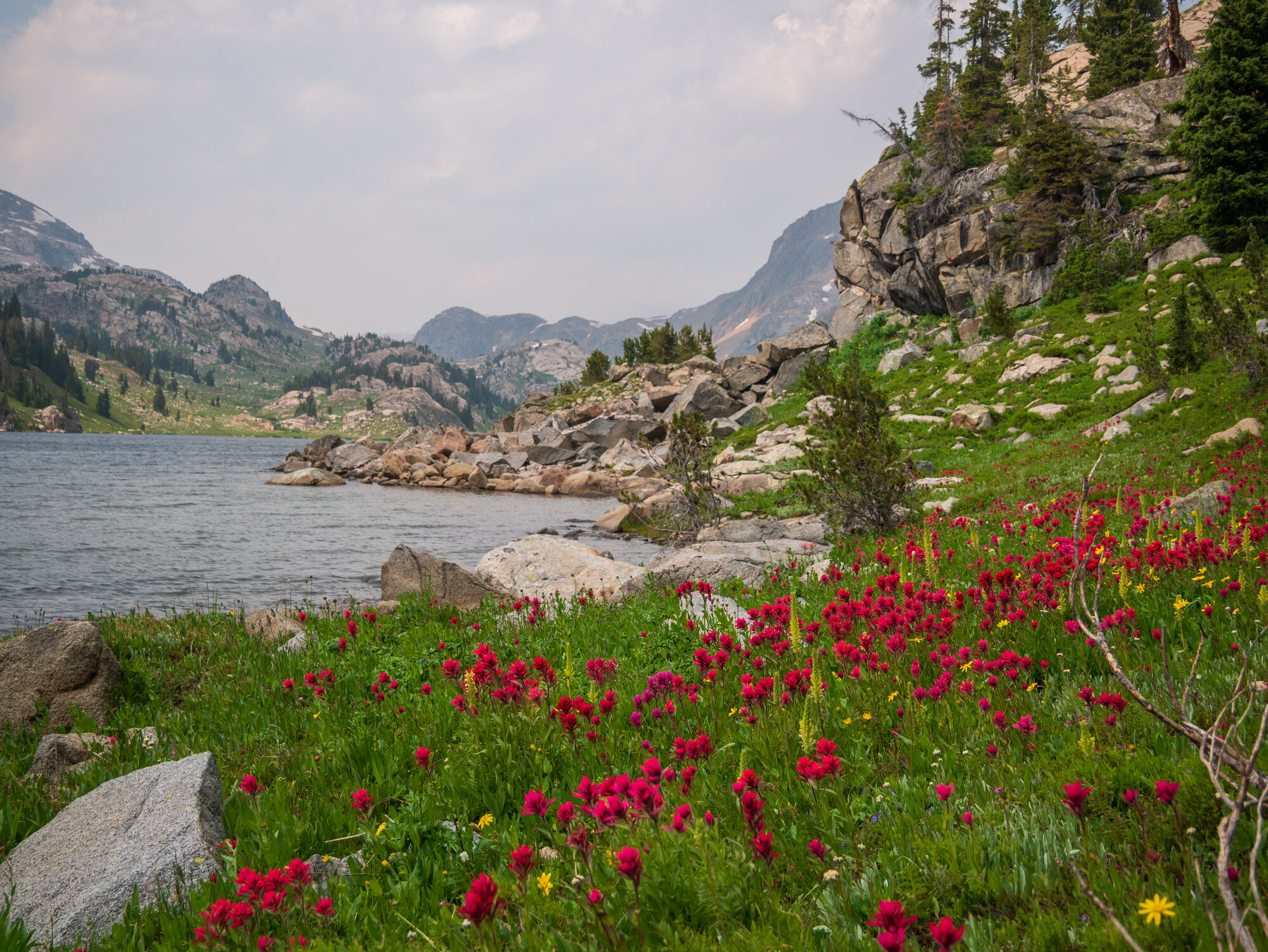
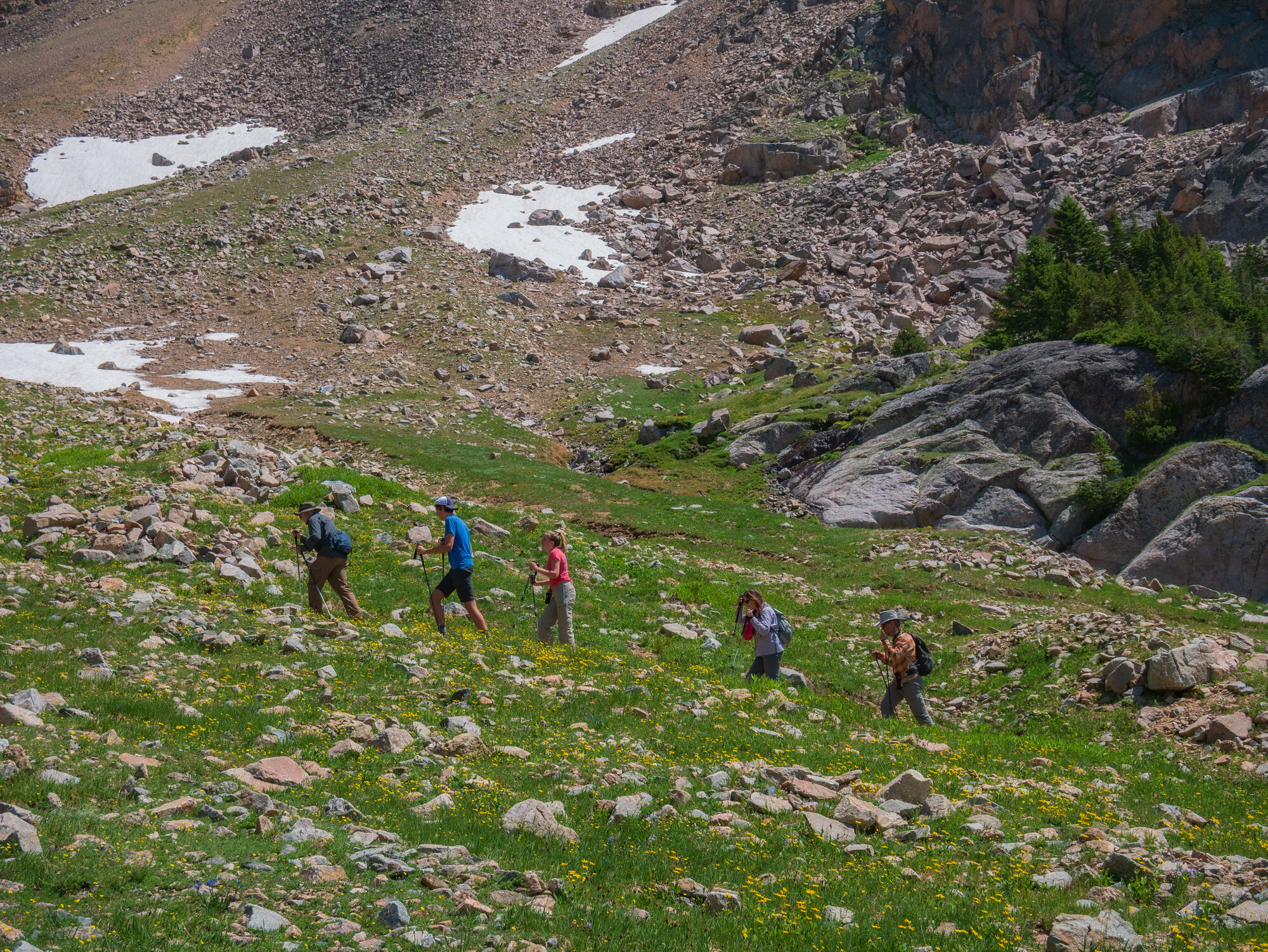
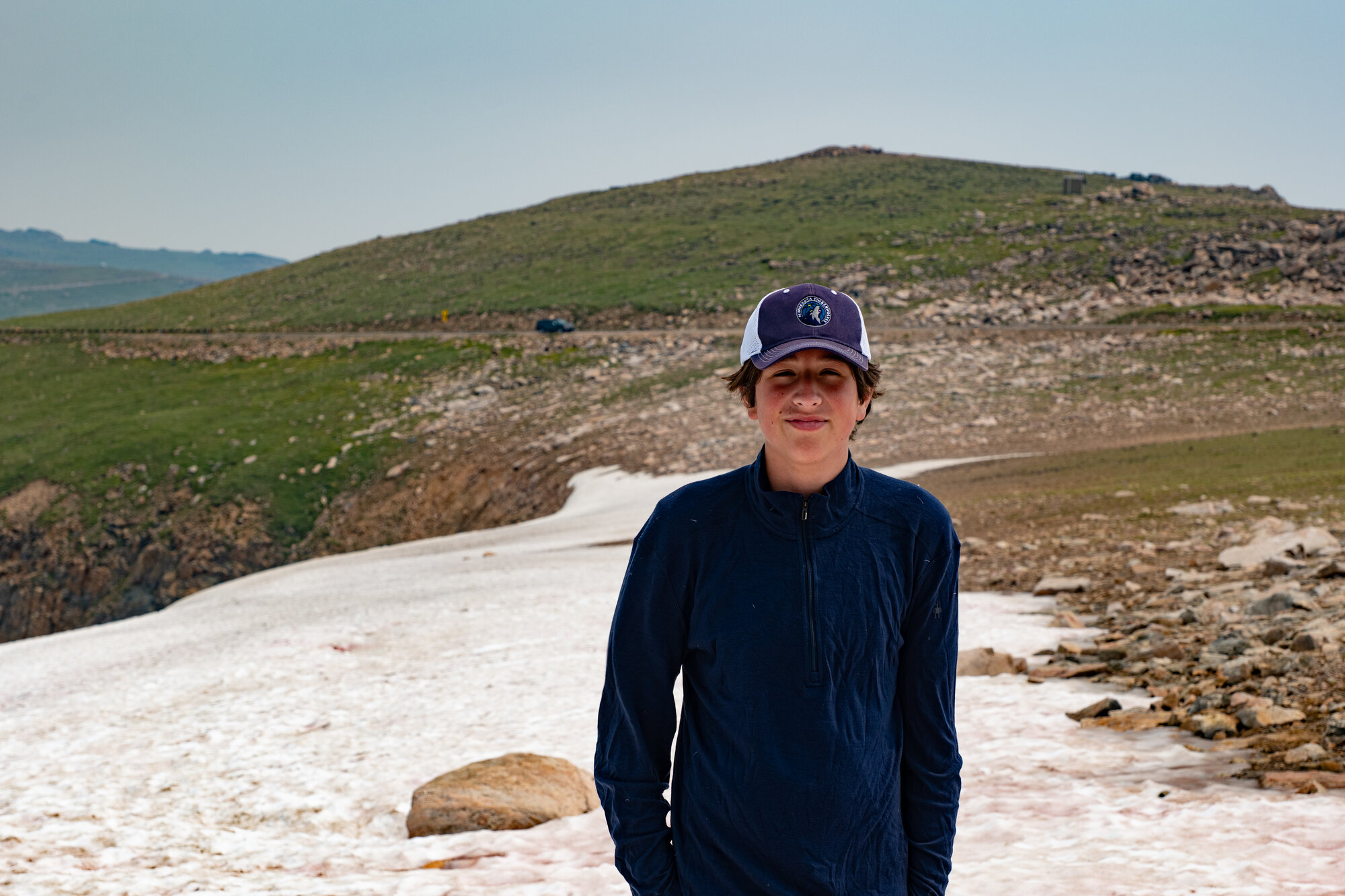
The plan was to basecamp at Becker, and day two was all exploration. We made our way north from camp, climbing gradually as the terrain opened into high alpine country and the Wyoming-Montana border. The smoke had cleared overnight and the day was as close to perfect as the Beartooth Plateau delivers — deep blue sky, views in every direction, lingering snowfields that Niko put to immediate use. I took a snowball to the back of the head before I even knew what was happening. Ambushed, fair and square.
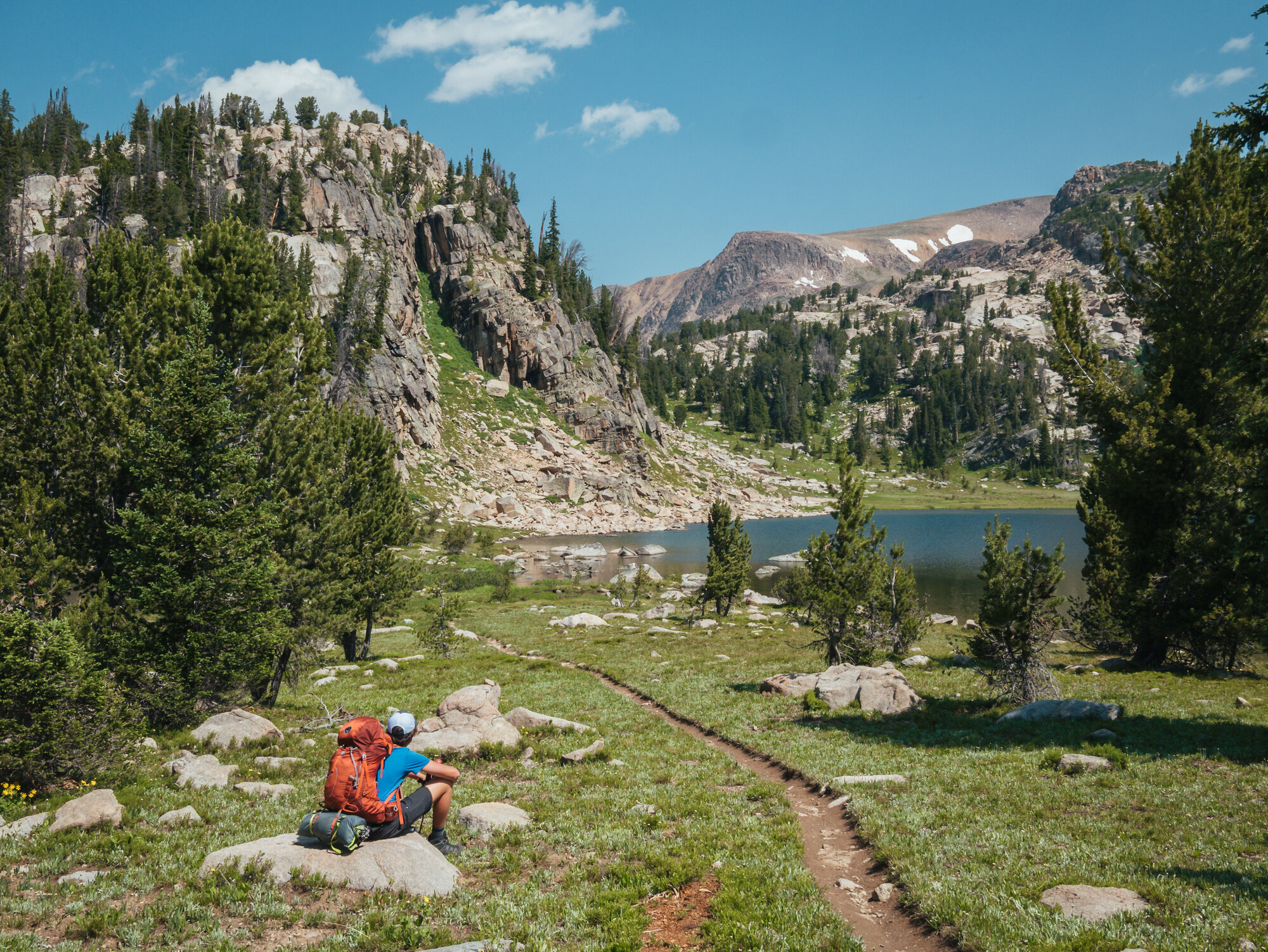
Albino Lake sits at the foot of Lonesome Mountain, which has been on my summit list for years. We made it to the lake. The summit will have to wait. Lunch was tuna packets eaten beside the water — not the culinary highlight of the trip, but it got the job done. We hiked back to camp, jumped in the lake again (still cold, still worth it), and called it a very good day.
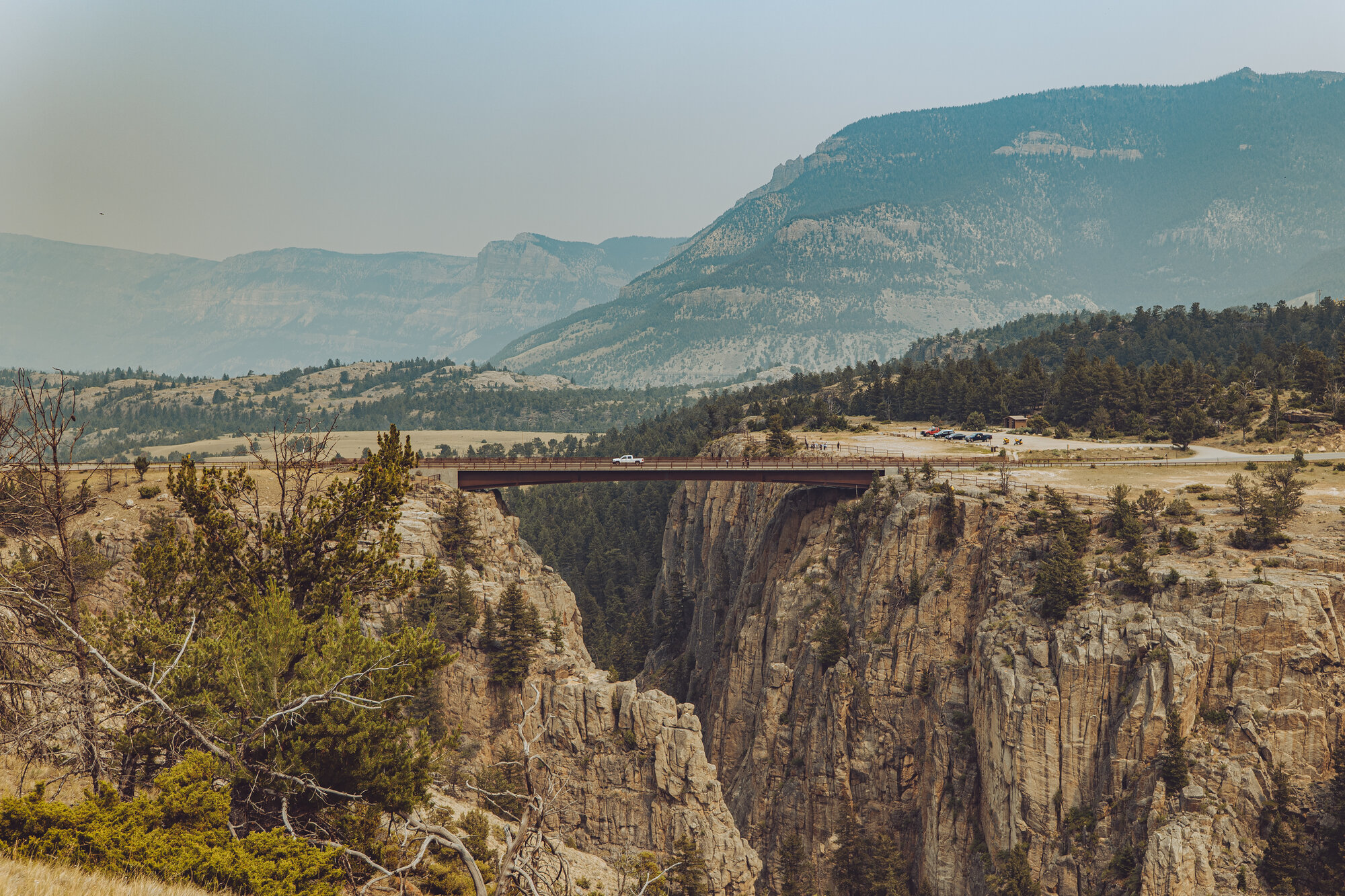
Day three, the smoke was back. We'd covered the ground we wanted to cover and seen what we came to see so we broke camp, made quick work of the trail back to the trailhead, and shifted gears entirely. Then it was luxury for the next several days. We dropped off the Beartooth Pass and headed east to Cody over the Chief Joseph Scenic Byway — one of Wyoming's finest drives. First order of business in Cody: a cold beer on the patio at the Silver Dollar Bar, followed by steak at the Cody Steakhouse. No surprises there, and none needed. Cody was even smokier than the plateau had been, the mountains barely visible through the haze.
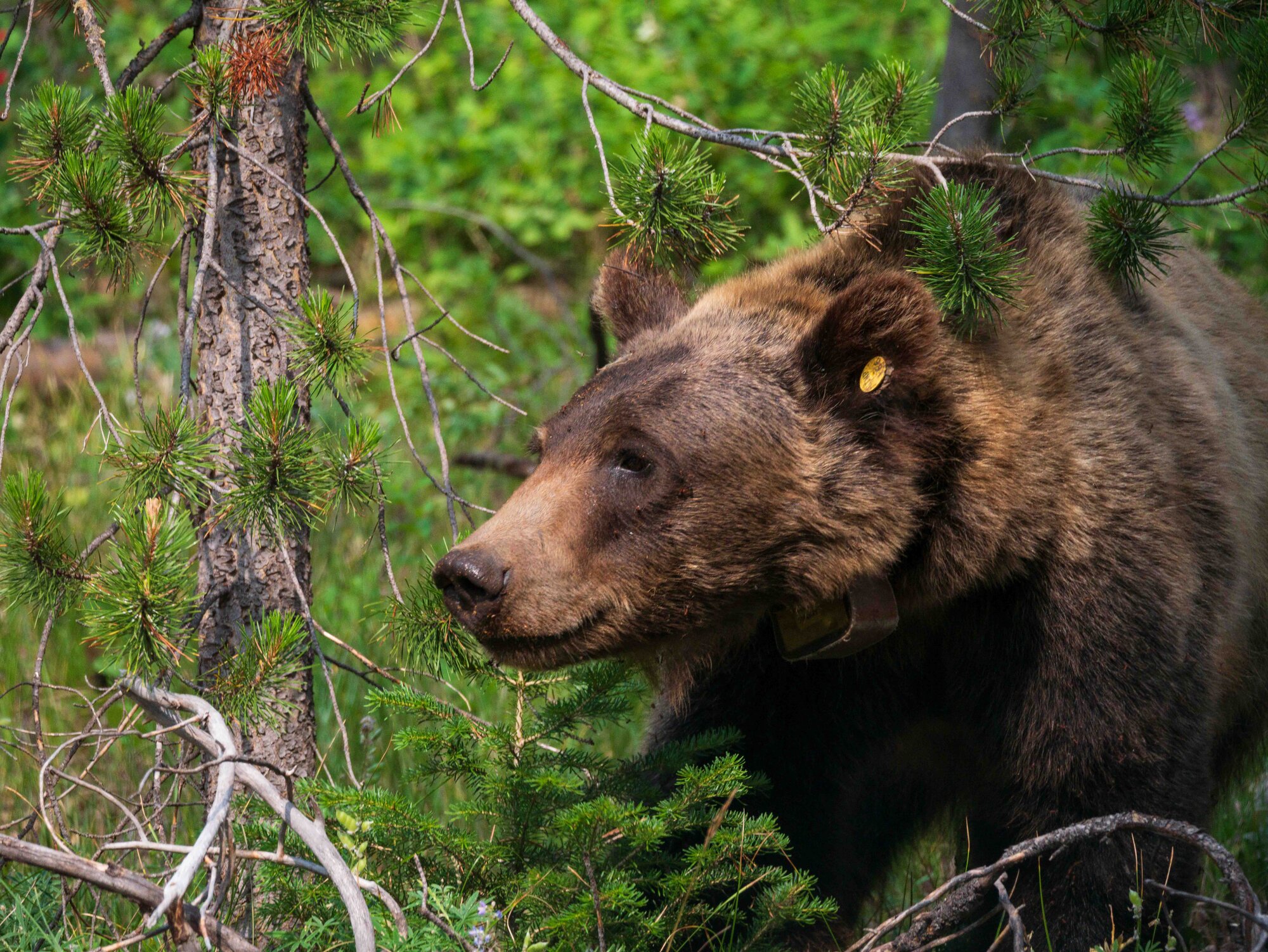
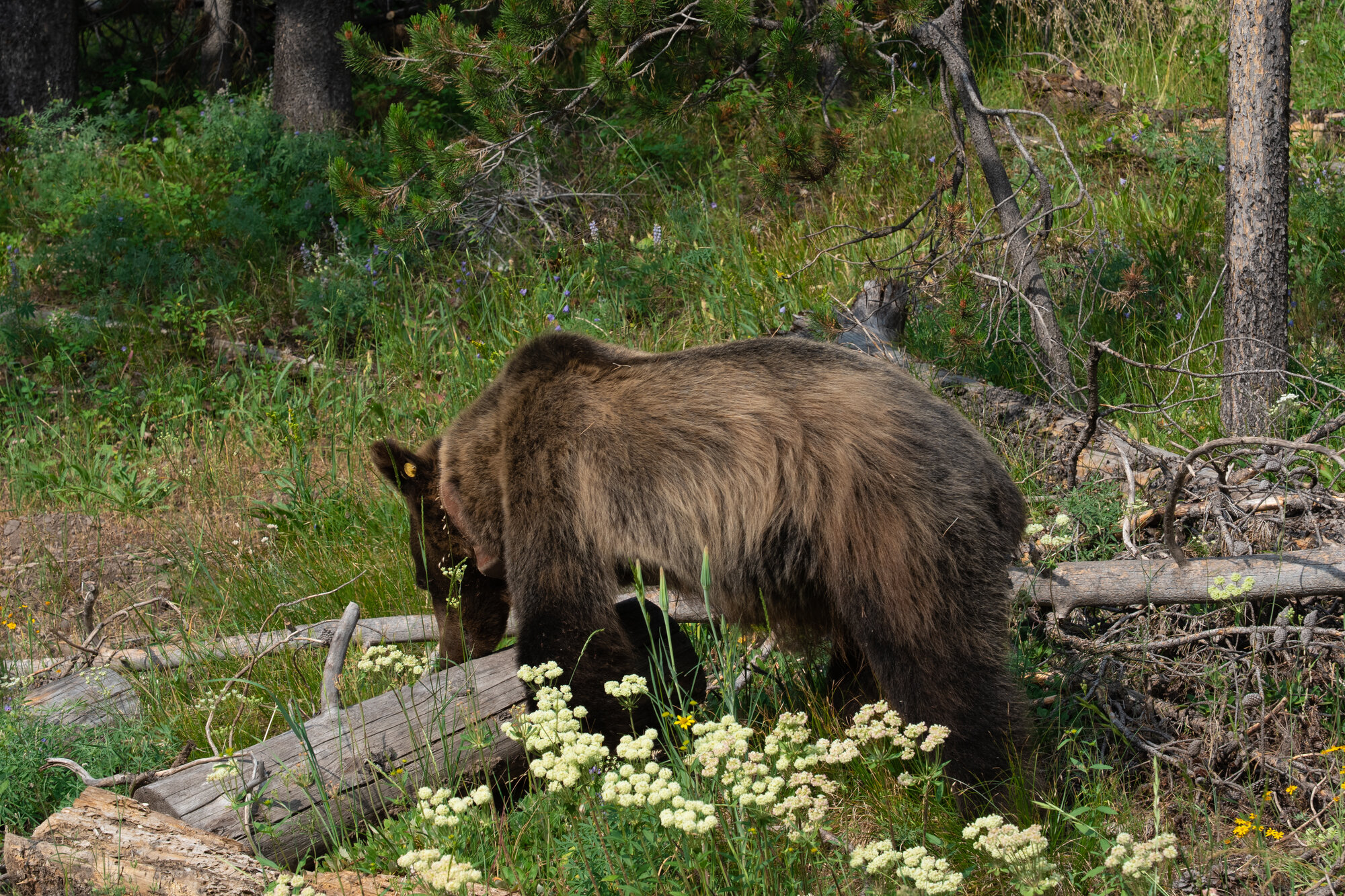
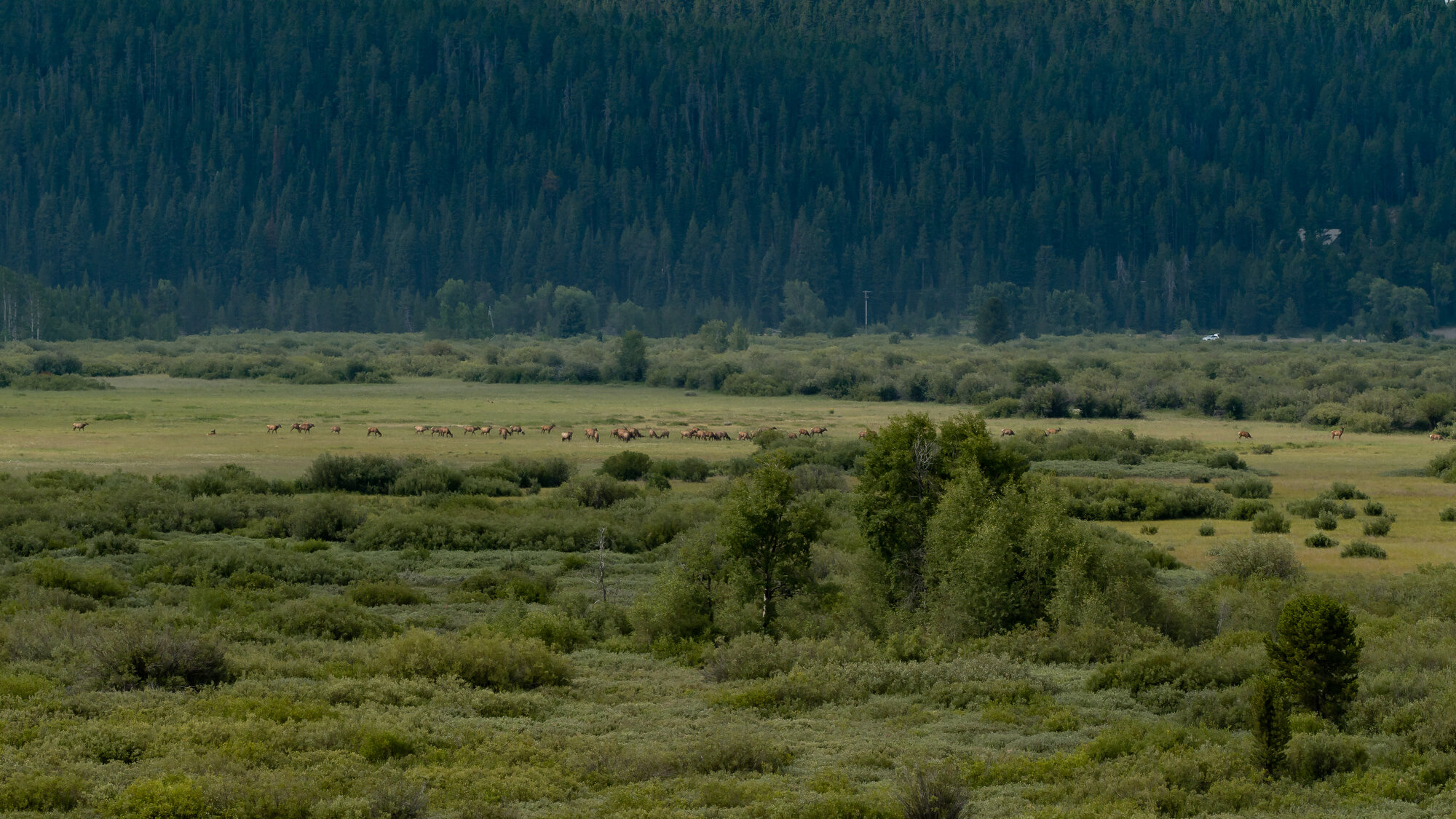
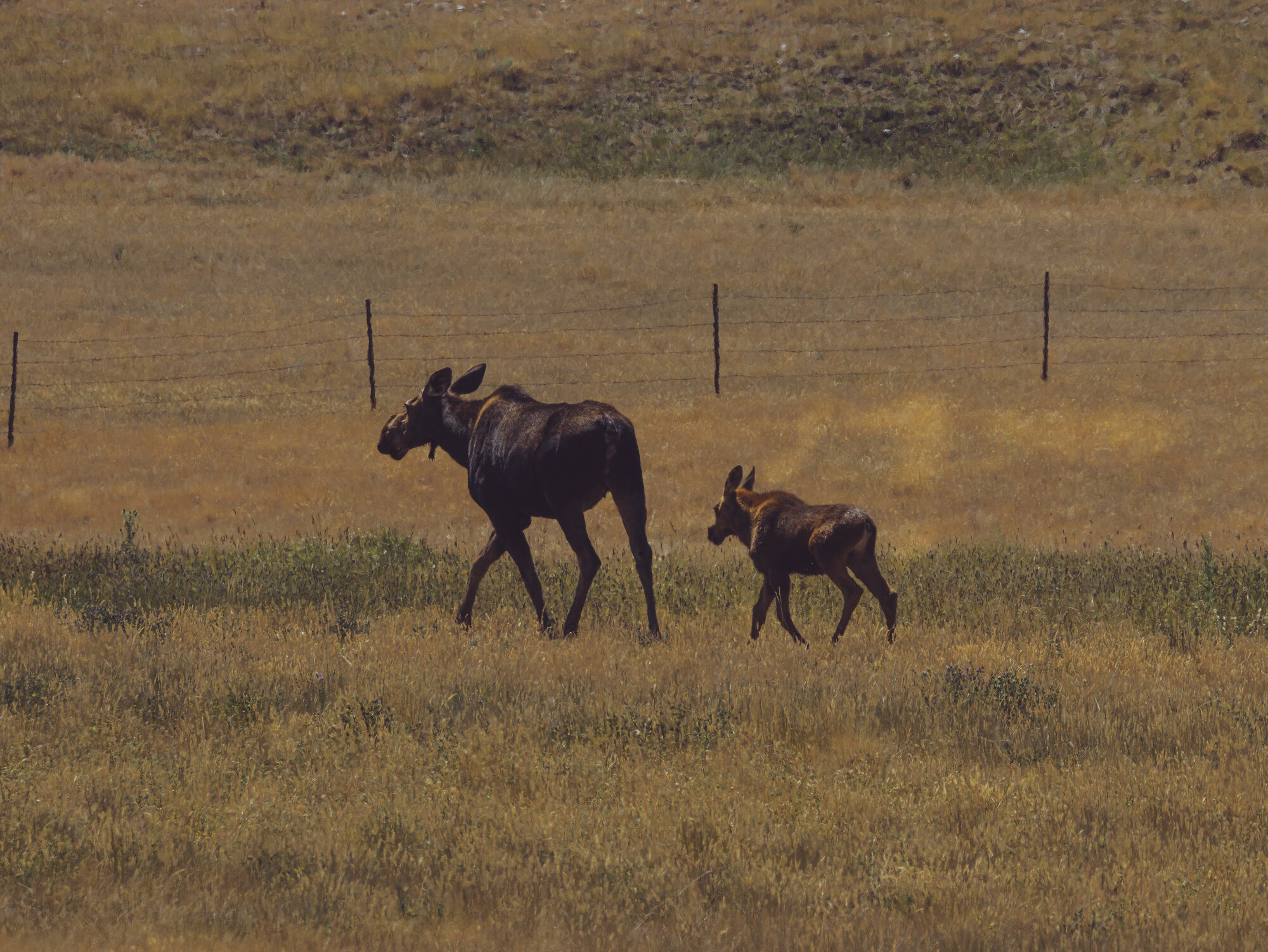
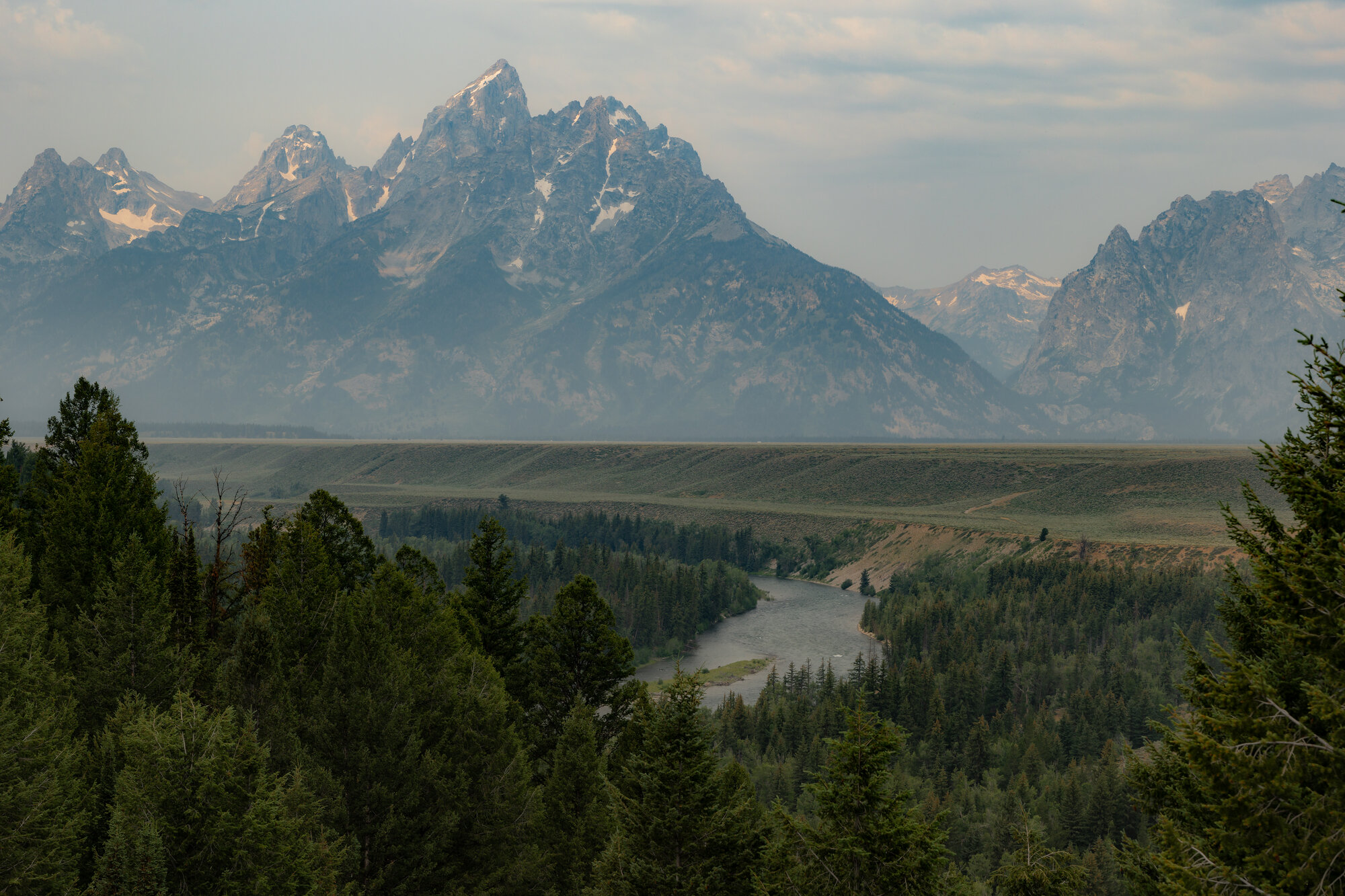
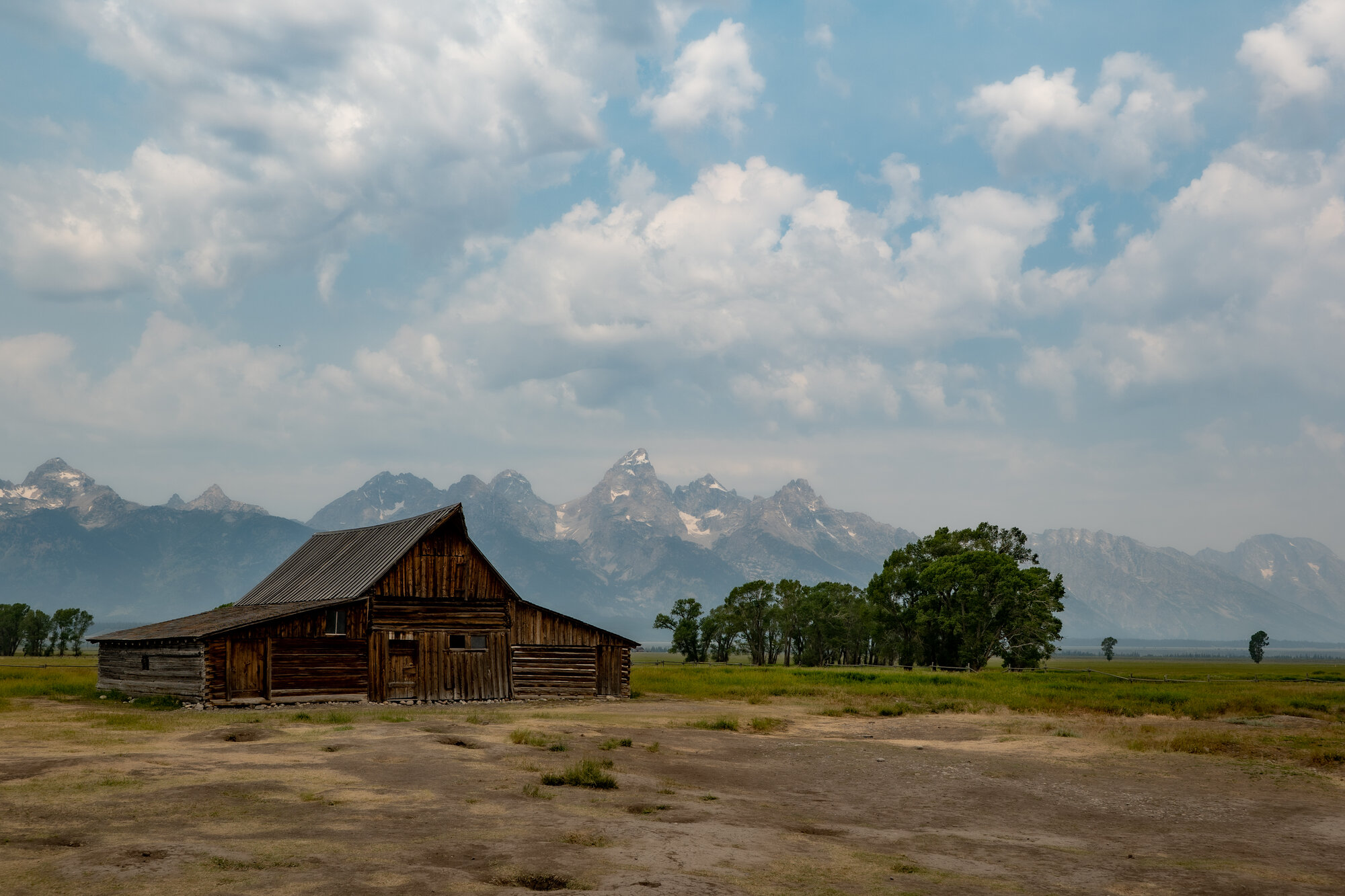
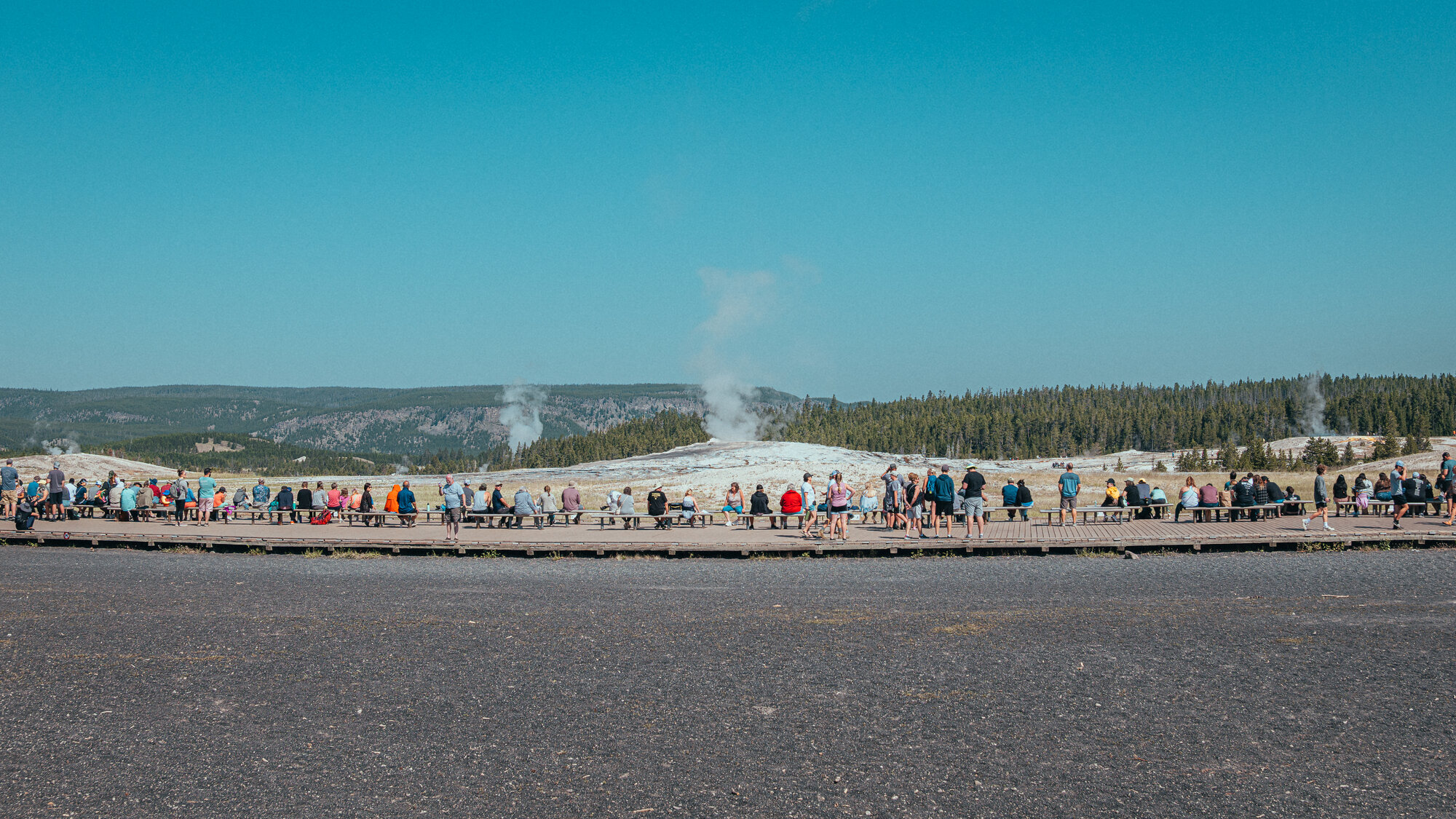
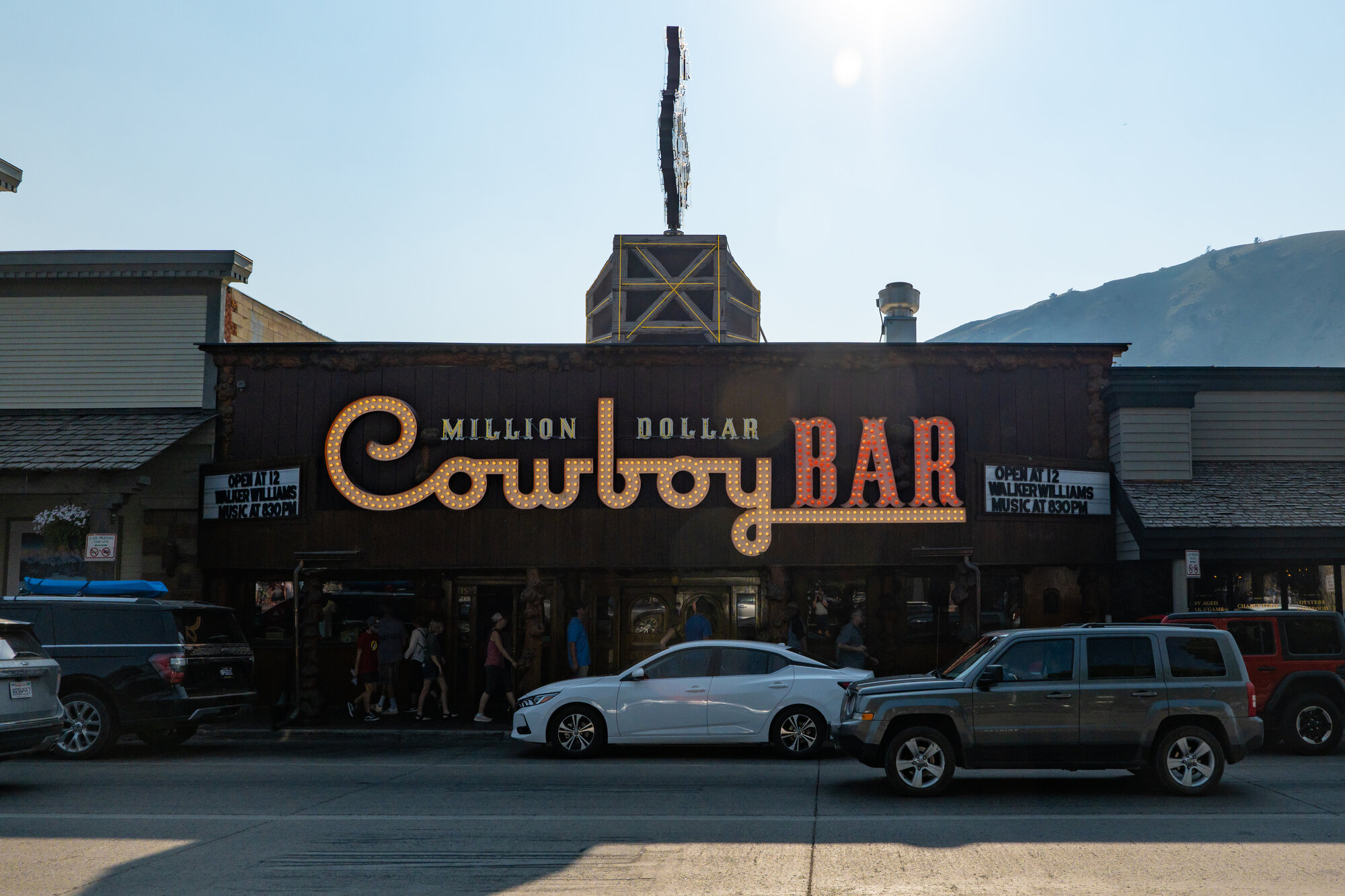
The remaining days were spent between Yellowstone and the Grand Tetons. We stayed at Signal Mountain Lodge on Jackson Lake, made it down to Jackson for pizza at Hand Fire (a must — don't skip it), and reconnected with our friends from camp. We swam in Jackson Lake. We watched elk and bison do what they do. And just off the road in Grand Teton, we spotted bear 166, working her way through a rotten log without any apparent concern for the audience she'd accumulated roadside. On the drive back out through Yellowstone toward Bozeman, we came across a cow moose and her calf moving through tall grass along the Madison River corridor. A good final frame for a trip already full of them.
Eight days total. Three nights in the backcountry. More than 1,100 miles driven through Montana and Wyoming, hitting every entrance to Yellowstone along the way. North of 850 photographs. Some of my favorites I've ever taken in the Greater Yellowstone region.