July 2025. Another trip to the Beartooths — and as always, it starts with a flight into Bozeman. Bozeman is my standard entry point into the Greater Yellowstone Ecosystem, and I've long since stopped fighting the ritual of it. No REI stop this time, though. Straight to Mark's In-and-Out for burgers and malts, then Town & Country Groceries for snacks and to-go sandwiches, then Murdoch's Ranch & Home Supply for camp fuel and whatever odds and ends the pack list still needed. The supply run is part of the trip.
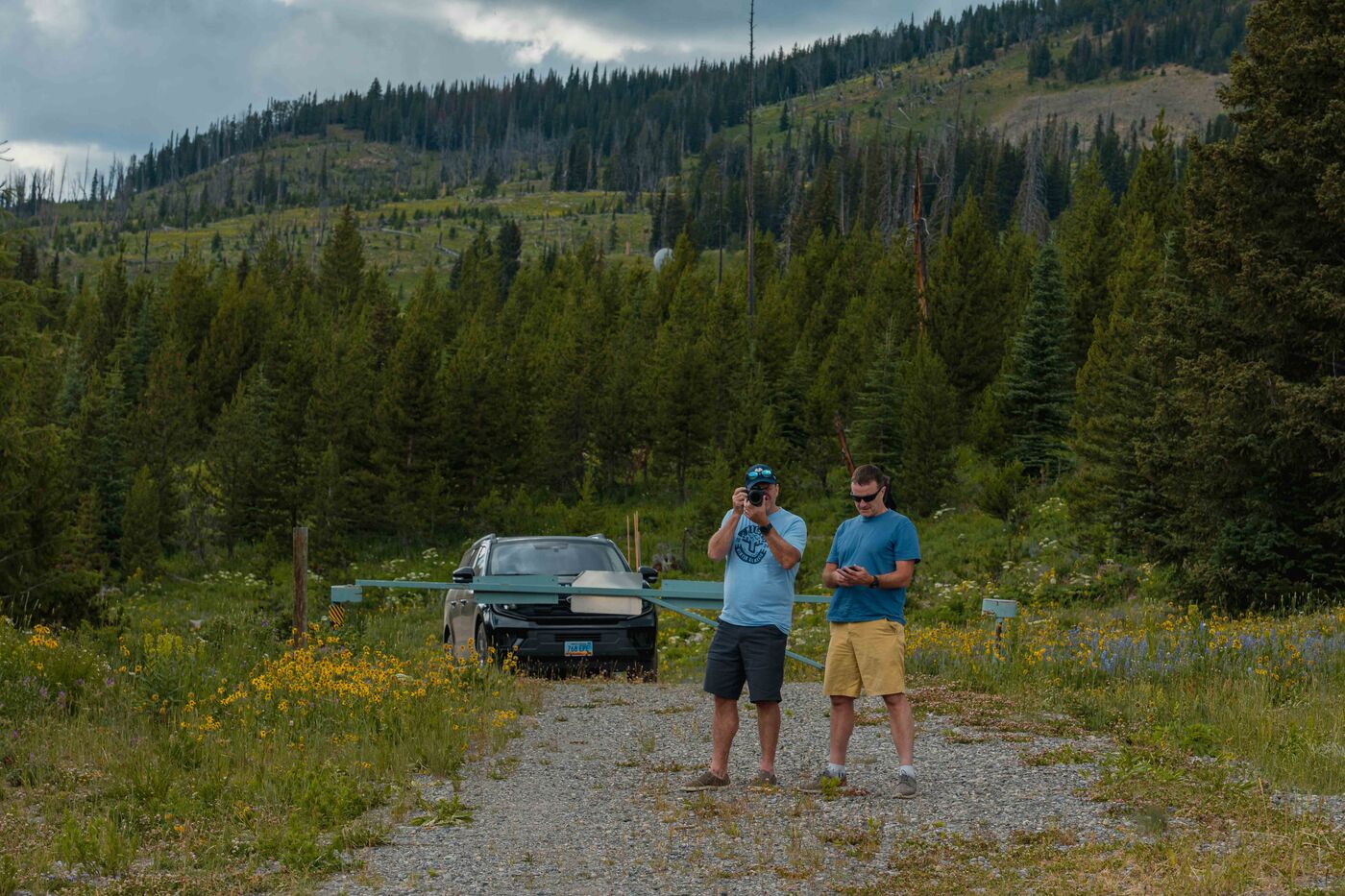
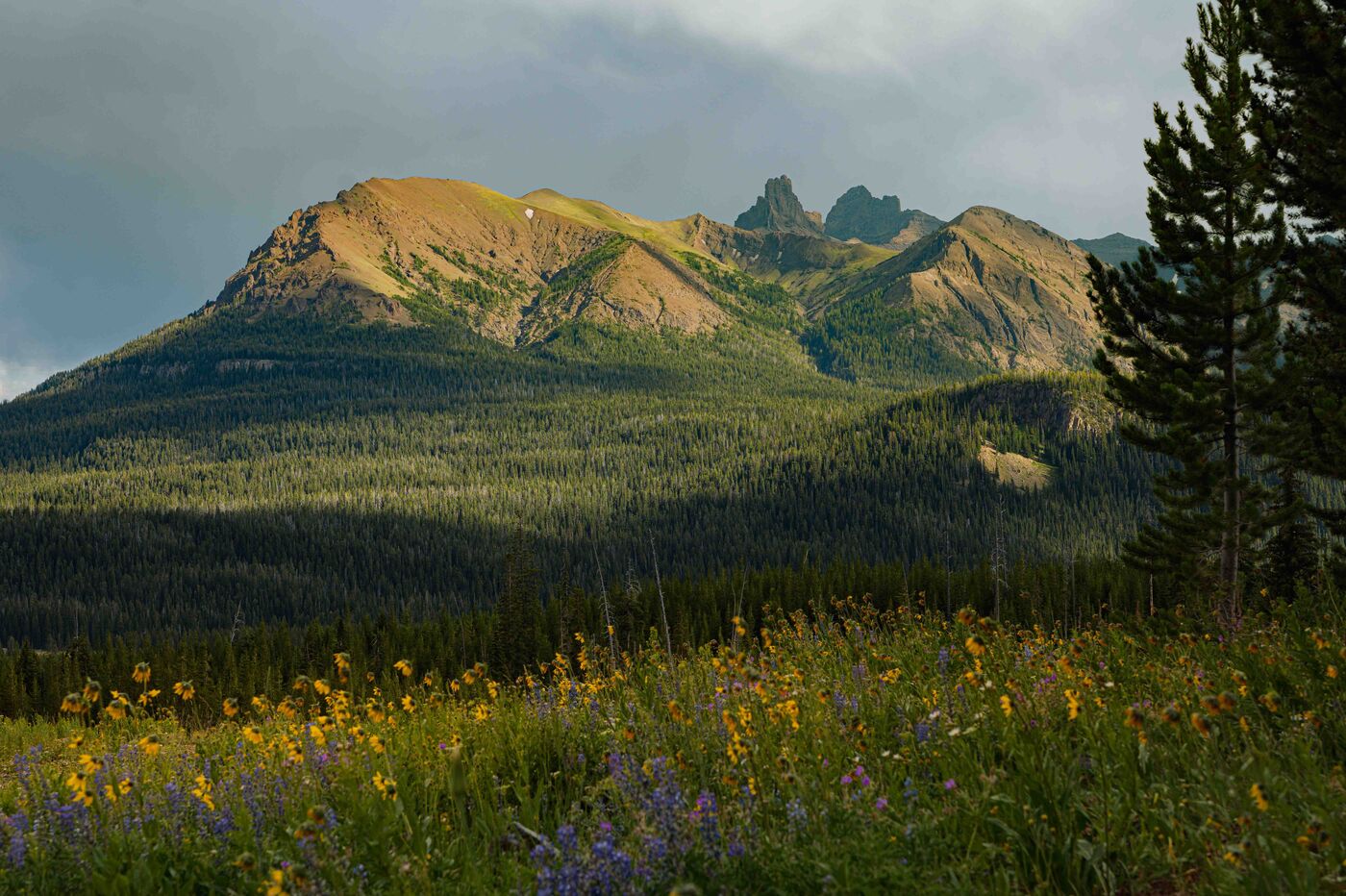
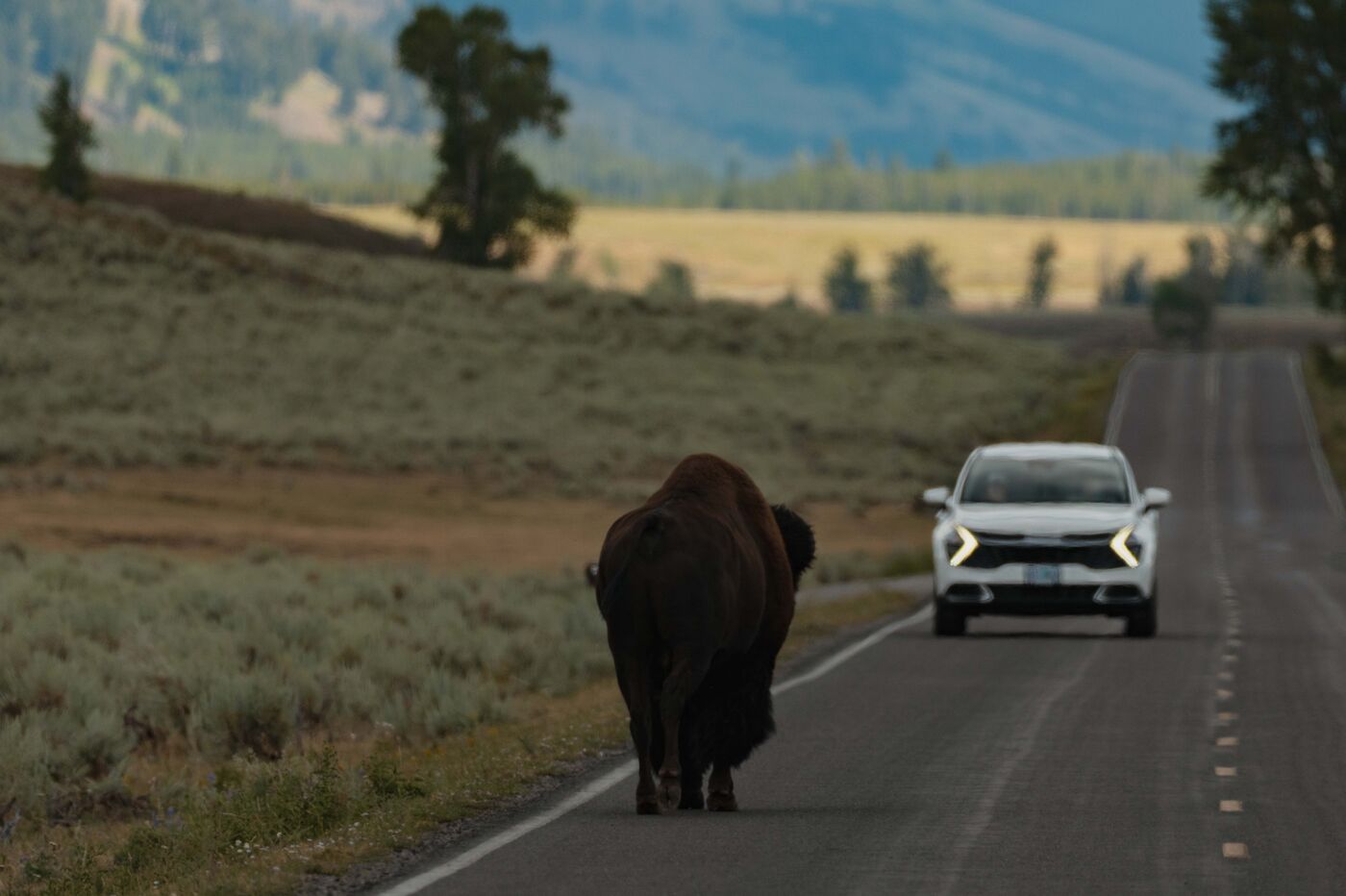
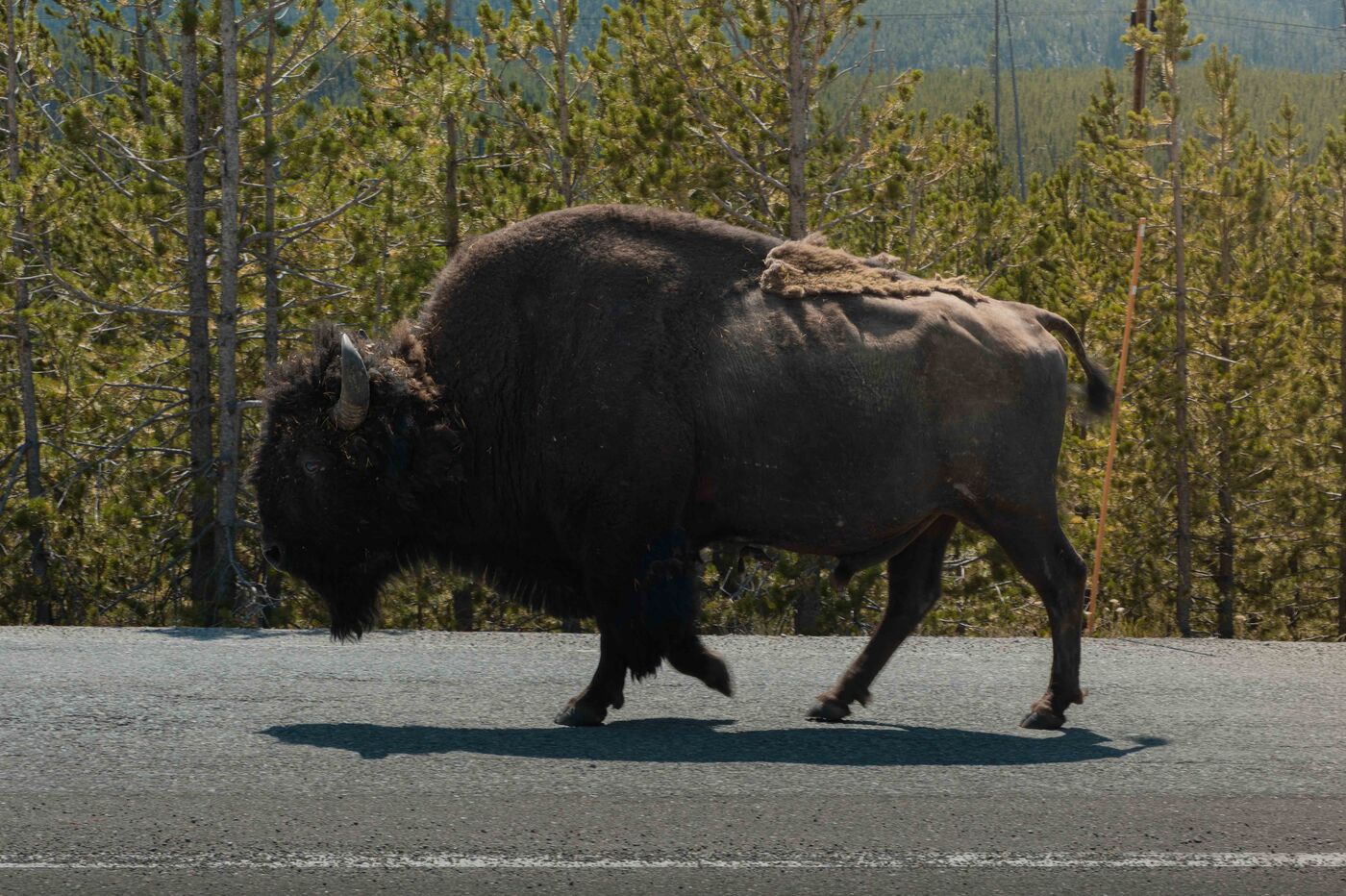
From Bozeman we dropped south through Paradise Valley — aptly named, every time — and on through Gardiner and the iconic Roosevelt Arch. That afternoon belonged to Yellowstone. An hour or so at Mammoth Hot Springs, then east through the Lamar Valley, where bison and pronghorn were doing their thing in the golden light. We rolled into Cooke City in the late afternoon, early enough to drive up Lulu Pass Road for some exploring above town. You'll want four-wheel drive — it's steep and thoroughly rutted — but the payoff at the top is real. High above Cooke City, the Beartooth Plateau sprawls out to the east, enormous and unhurried. We took some photos and let ourselves get properly excited about what was coming.
The Miners Saloon was closed — plumbing issues — so we drove a couple of miles down the road to Silver Gate and had cocktails and dinner at the Range Rider Lodge. Unexpectedly polished cocktails for this corner of the world, and solid dinner fare. We stayed at the Elk Horn Lodge, which is more of a motor inn than a lodge but was exactly right for our needs. One useful pro tip for this stretch: most of these places have a surplus of loaner bear spray. We borrowed a couple, saved a few bucks, and returned them when we checked out. Worth asking.
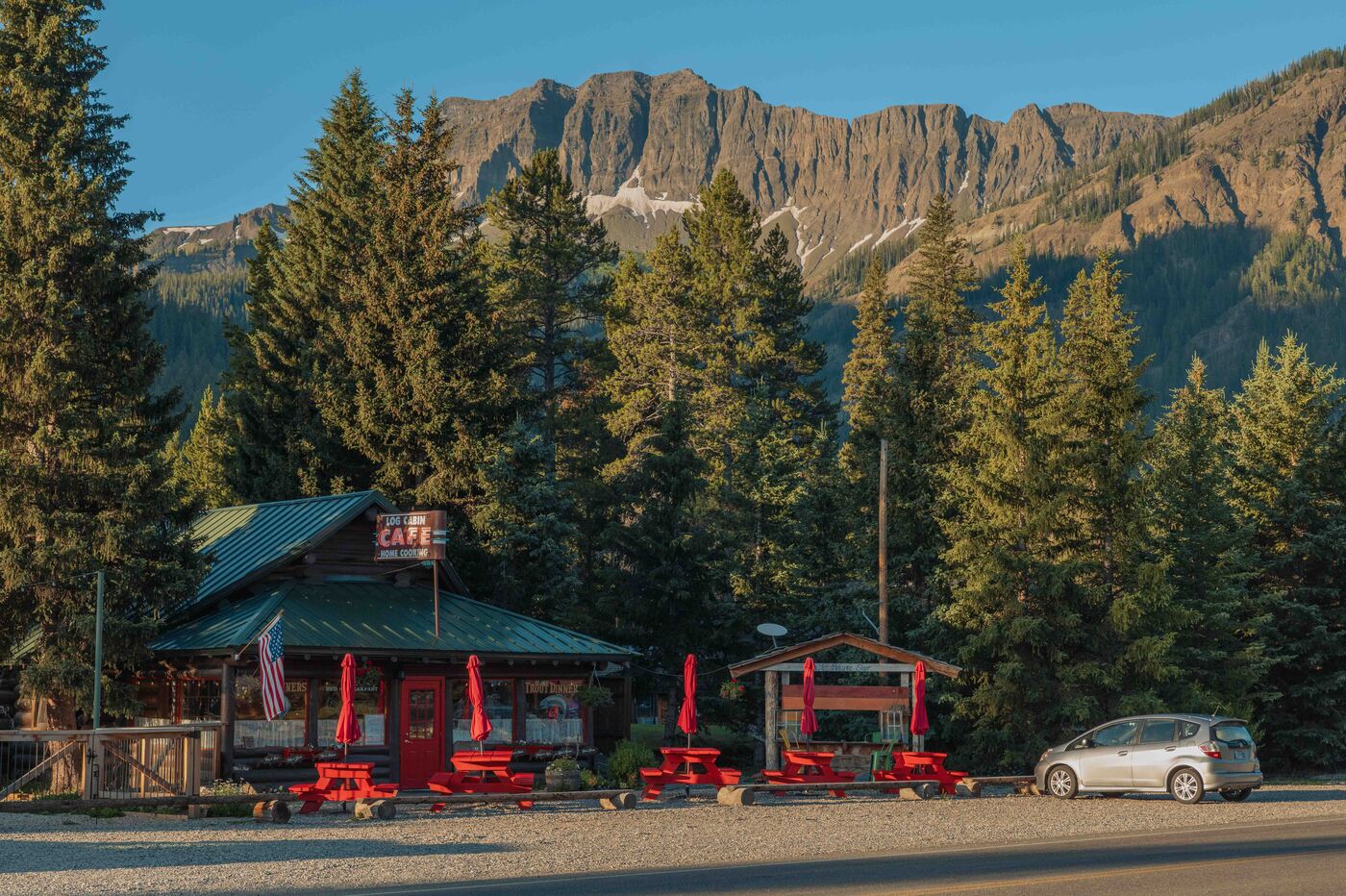
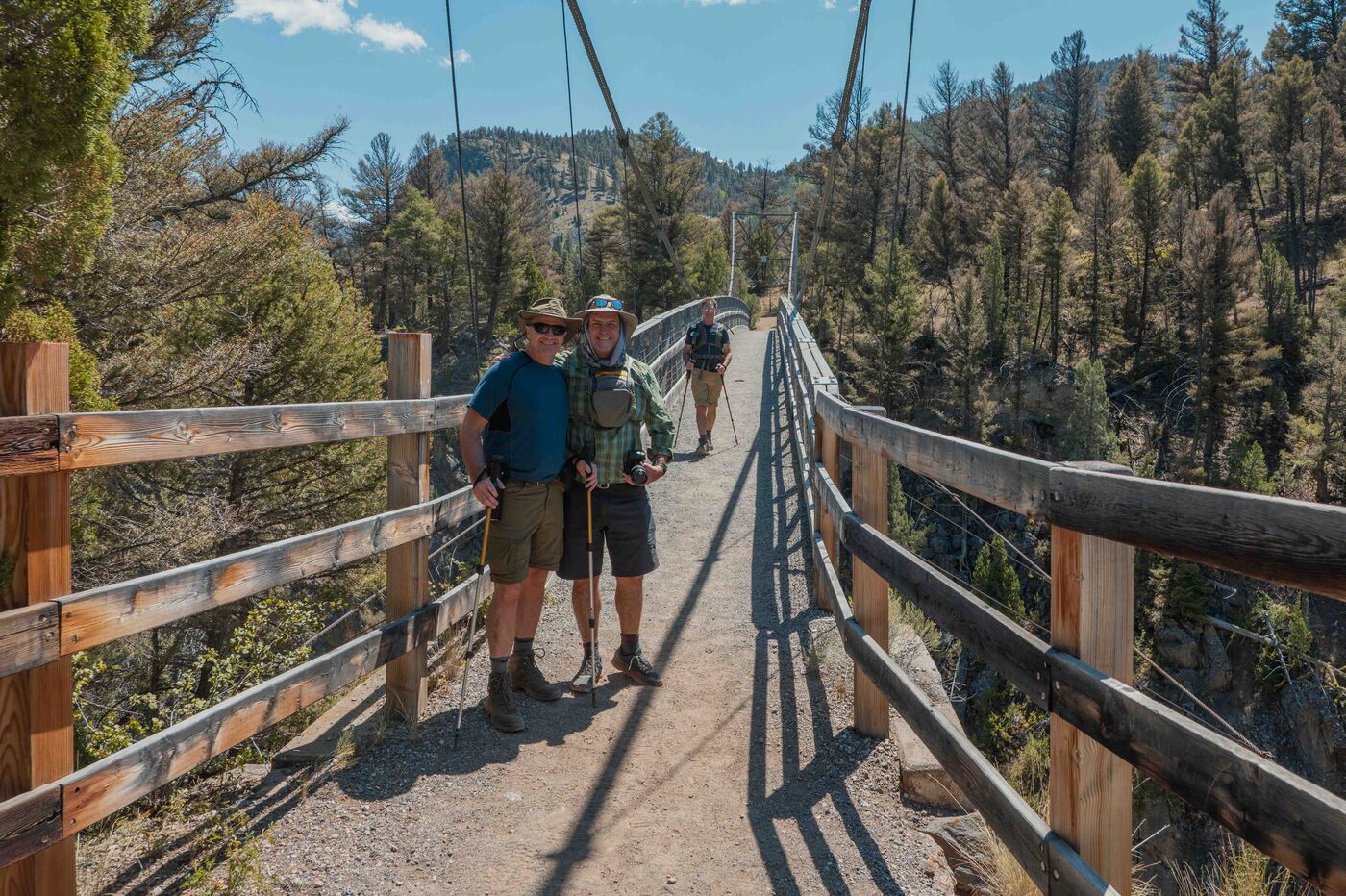
Next morning we had breakfast at the Log Cabin Café, one of my regular spots whenever I'm in Cooke City. Sat outside at the picnic tables, fueled up properly, and set off for the day's hike. Day one was the Hellroaring Trail, in the northern section of Yellowstone. The trailhead sits at around 6,270 feet, and the trail wastes no time: it drops steeply — about 800 feet — via a series of switchbacks before reaching a suspension bridge over the Yellowstone River. The river runs emerald green and fast down here, deep in its canyon, and the bridge sways enough to keep things interesting. From there the trail winds gently through open meadows to the confluence of the Hellroaring River, where it meets the Yellowstone. It was hot and dusty by the time we arrived, which made the decision to wade in an easy one. The water is swift — genuinely swift, so be deliberate about where you get in — but it was cold and exactly what we needed. The return trip, climbing back out of the canyon in the full afternoon heat, was ambitious. Even without heavy packs, that ascent earns it.
Back in Cooke City, the Miners Saloon had its plumbing sorted out and was open for business. It handled our hunger and thirst without complaint. The remainder of the evening was spent packing, then re-packing. Backpacks have a way of revealing exactly what you should have left at home.
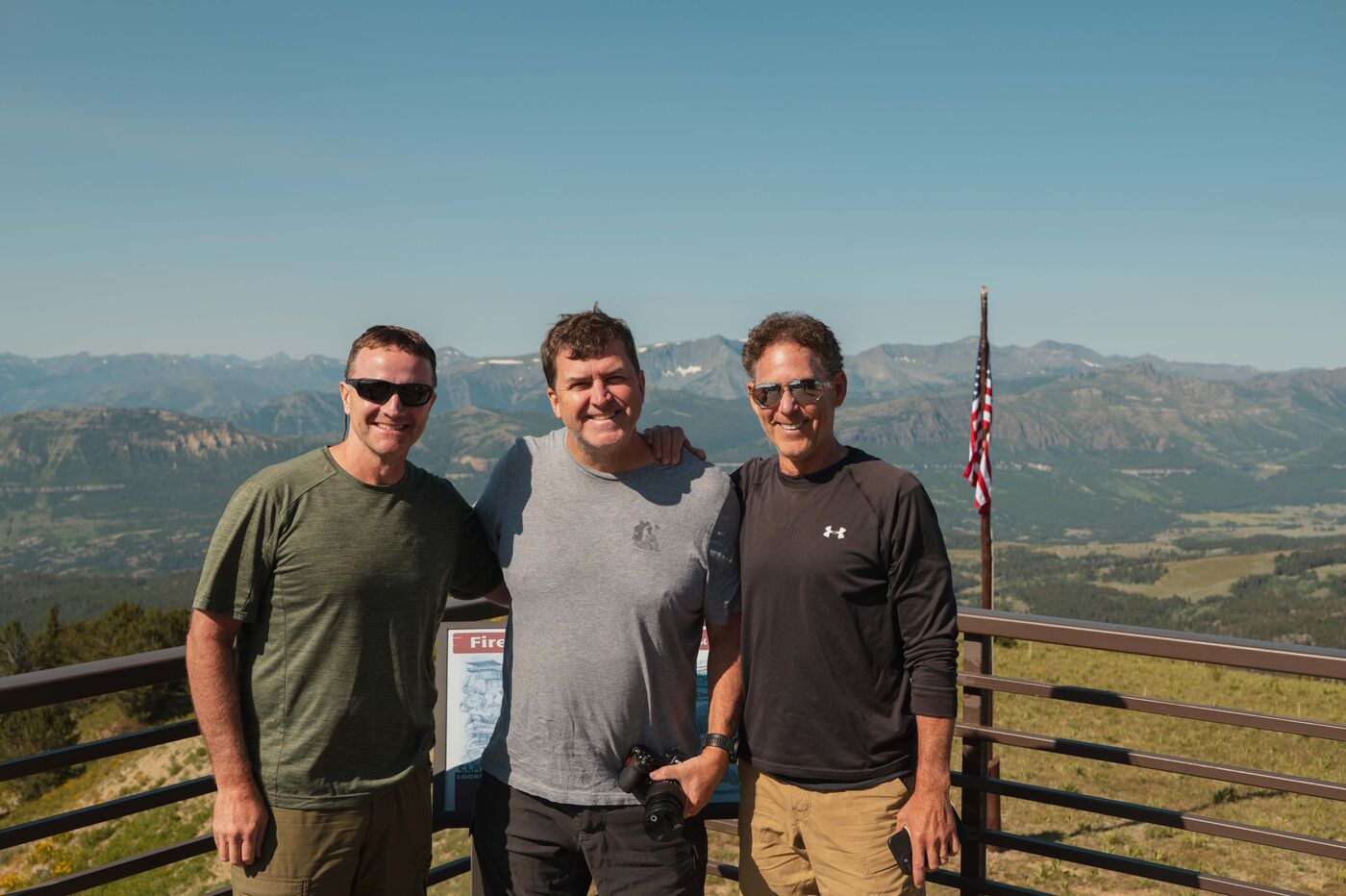
The following morning we were back at the Log Cabin Café — second breakfast in two days, no regrets — before heading east up toward the plateau. We stopped at the Clay Butte Fire Lookout first. If you haven't been, it's worth the detour: one of the finest panoramic views in the entire Beartooth region, the plateau spreading out in every direction. We snapped some photos and then continued on to the Island Lake Trailhead on the west side of Beartooth Pass, the starting point for the next three days.
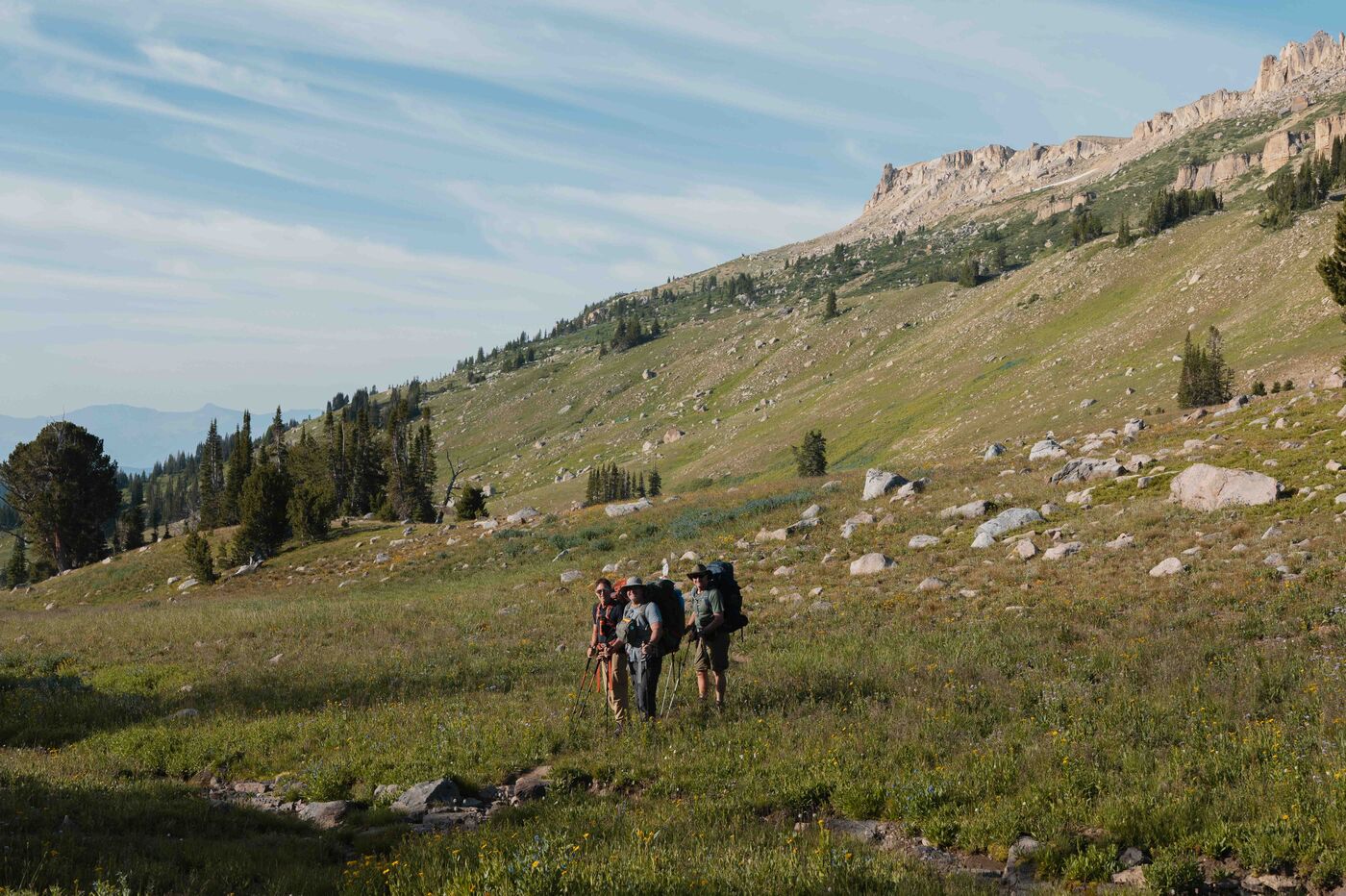
The plan was to hike to one of the alpine lakes near the foot of Lonesome Peak. As I wrote in my Becker Lake trip report, the trail around Island Lake and Night Lake is about as easy as alpine hiking gets — well-maintained, nearly flat, the kind of walking that lets you pay attention to the landscape instead of your feet. This time around we had weather to deal with: we sheltered twice due to rain and hail before things cleared. After the split toward Becker Lake, we stayed left and descended steeply to Beauty Lake. A wide, gently rushing creek crossing, then a steep climb back up, then a series of alpine lakes strung along the route. Somewhere in there, a group coming the other direction warned us about a grizzly with cubs up ahead. We never saw her — for better or worse — and kept making noise through that stretch anyway. Eventually we found a beautiful campsite near T Lake.
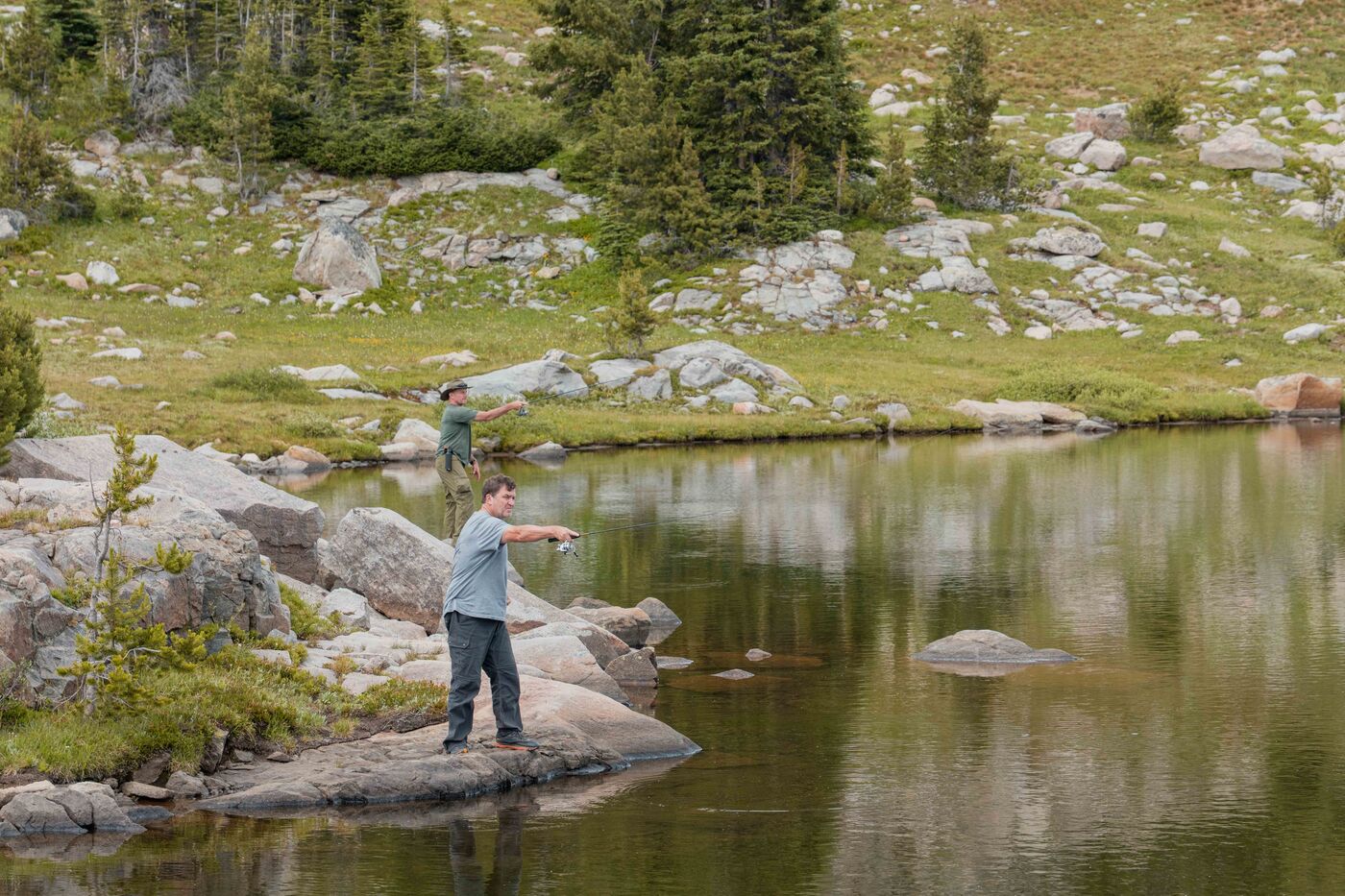
The site was genuinely spectacular — ample room for four tents, space for a centralized camp kitchen, good wood nearby. A couple of guys fished for trout and had some luck, though nothing worth a cooking fire. We gathered wood, built a proper fire, cooked our dinners, and passed a flask of bourbon around. The Beartooth Plateau at night with a fire going and nobody else around is a pretty specific kind of good.
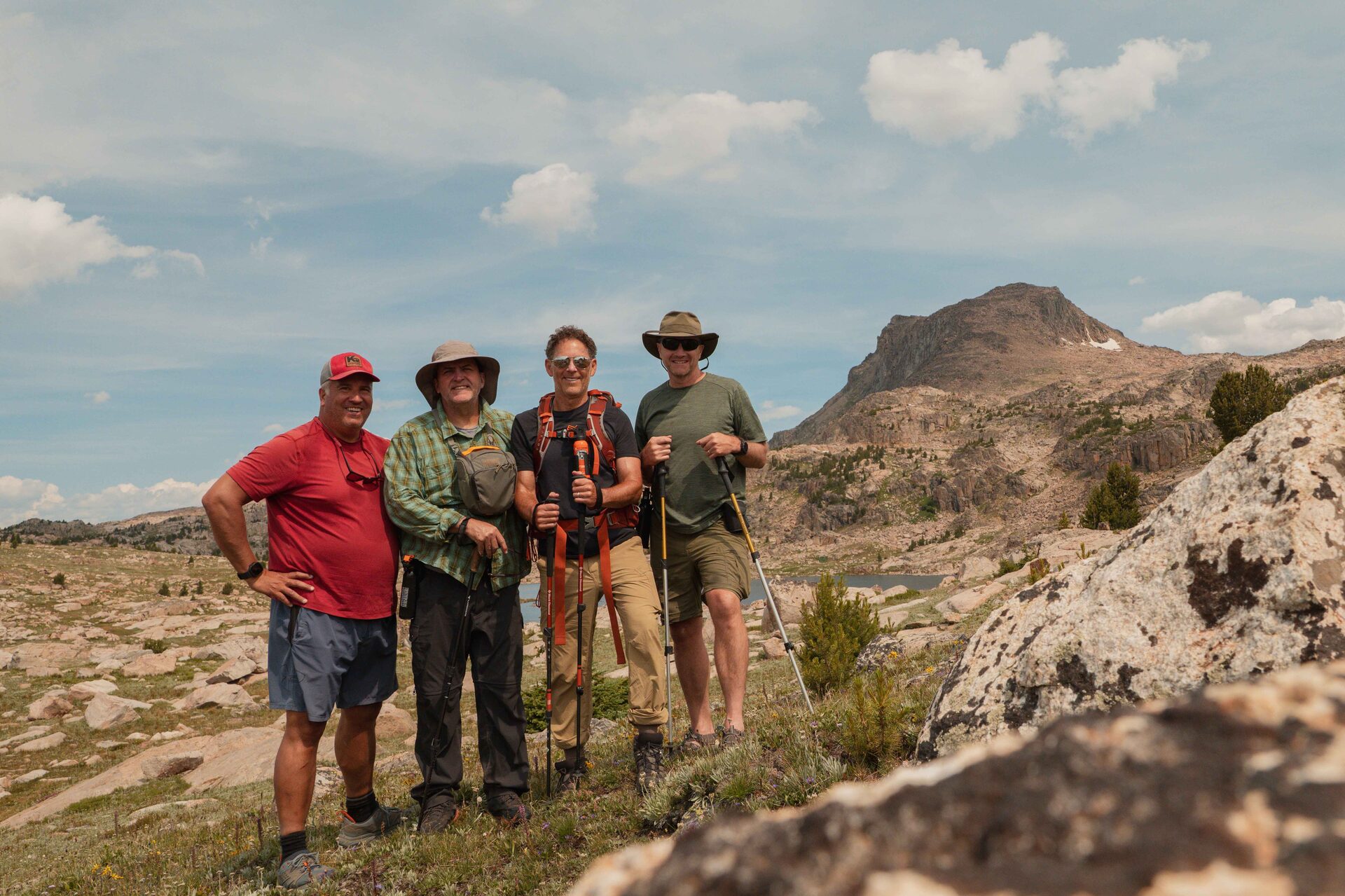
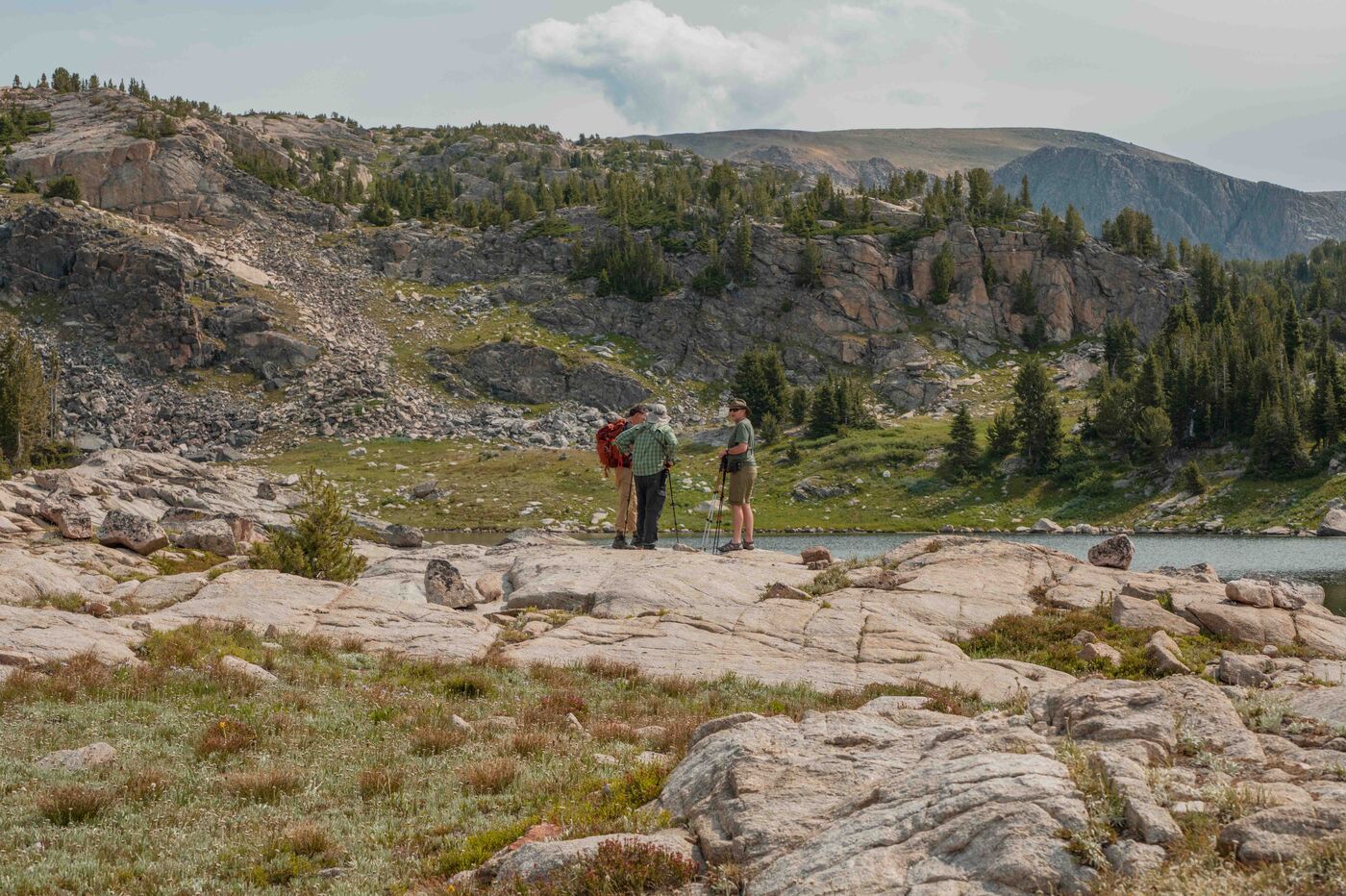
Day two from camp, we set off exploring off-trail and made our way to the foot of Lonesome Peak and down to Lonesome Lake. The terrain up here is sub-alpine — sparse trees, open rock, easy footing once you're moving. Off-trail travel in the High Lakes Wilderness Study Area is genuinely fun. The kind of hiking where you choose your own line and the map is just a suggestion. We made it to Lonesome Lake, then back down to T Lake. Once we rejoined the trail, we ran into exactly one other group. The solitude up here, even in July, is something that's getting harder to find.
That second night we had another fire going and were waiting on the Milky Way, which rises to the southeast around 11:30 this time of year. It was spectacularly cold for late July — high 30s, probably — but the sky was clear and the wait was worth it. When the core of the Milky Way finally cleared the ridge, it was one of those moments where you stop talking and just look.
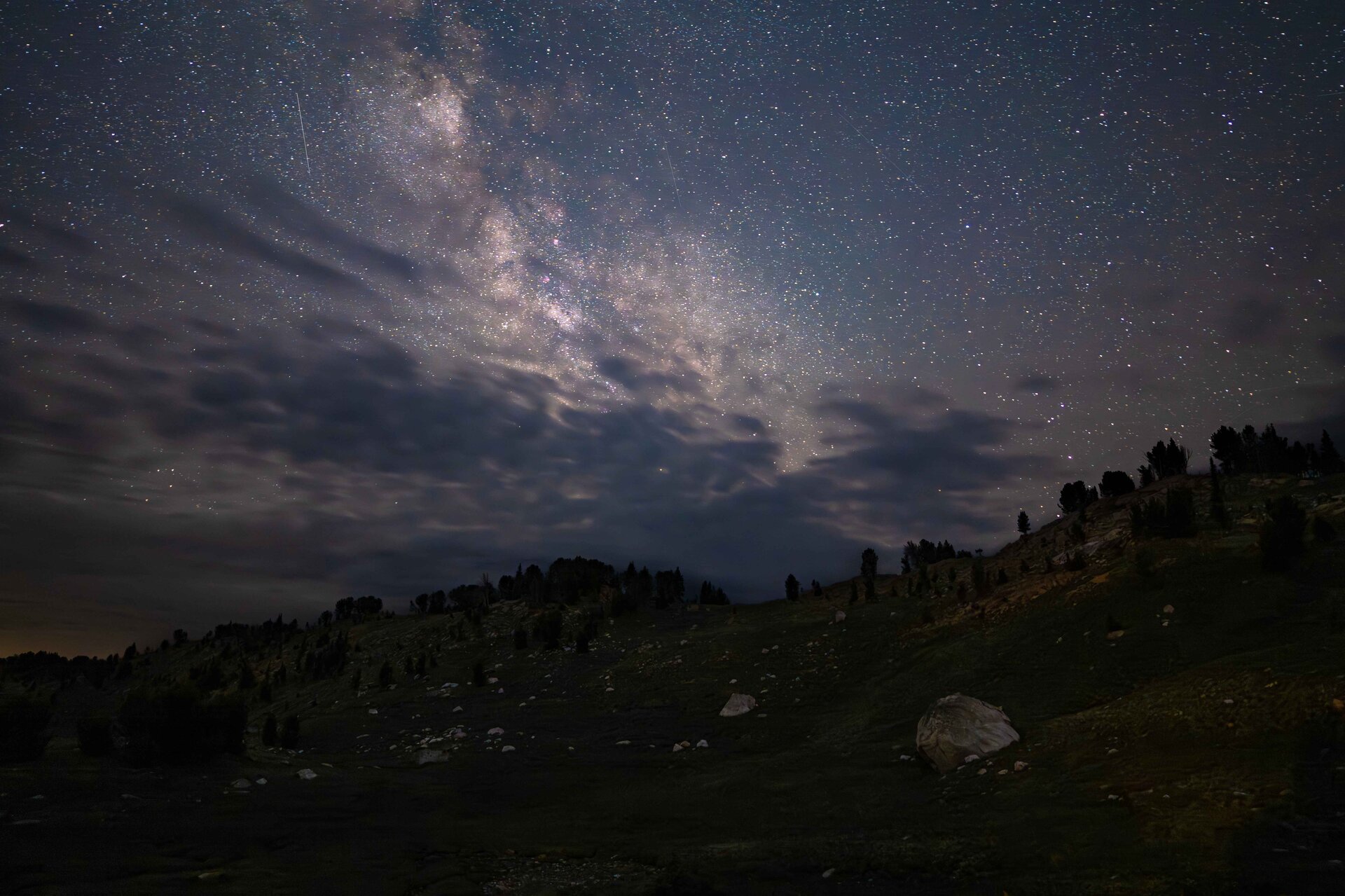
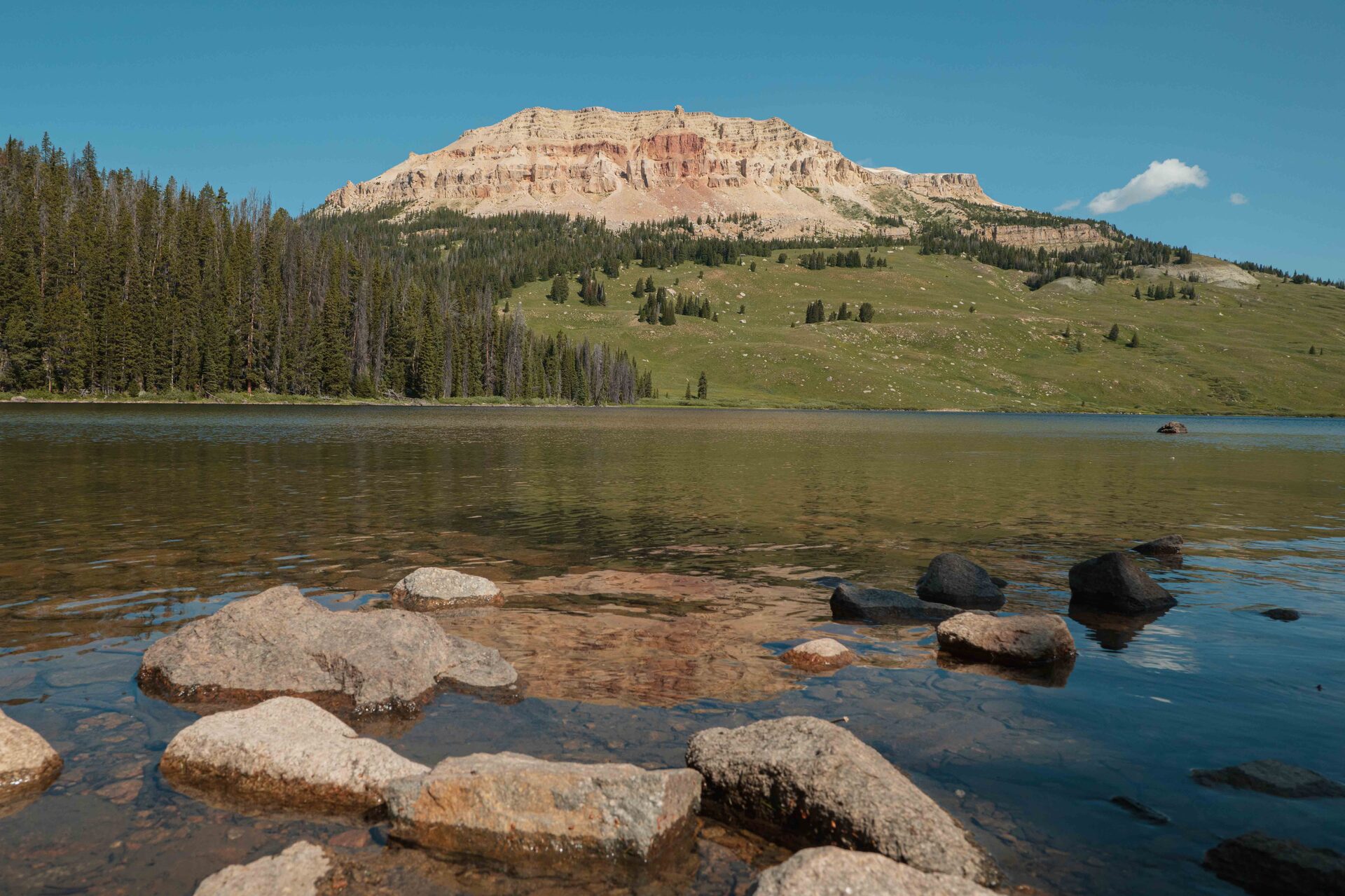
The third morning we broke camp and completed the loop, hiking out along Beartooth and Red Clay Buttes before finishing at Beartooth Lake. The campground there is reasonably busy, which worked in our favor: I hitched a ride back to the Island Lake Trailhead without much trouble, picked up the car, and went back for the rest of the crew. A satisfying way to close a loop.
After that, we spent time at the Grand Canyon of Yellowstone — obligatory and genuinely worth it every time — and stayed a night at an Airbnb in Paradise Valley. Tired legs got a soak at Chico Hot Springs. It's a bit touristy, but after three days in the backcountry, touristy was exactly right.